來源Ars Technica•較早收集於 2h
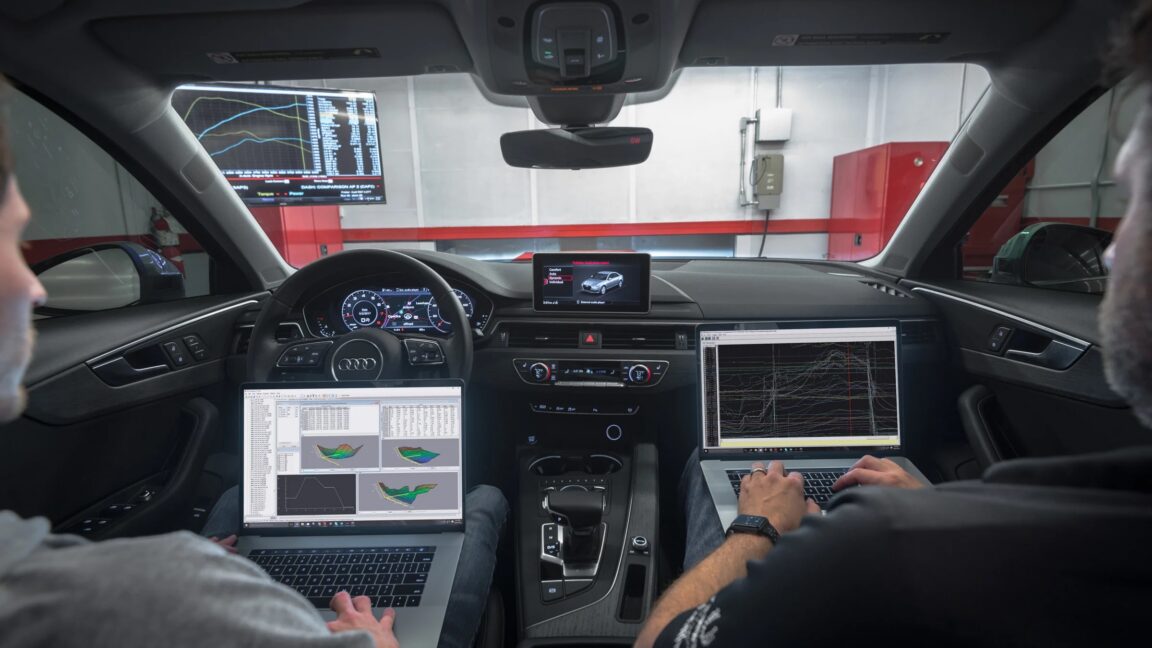
深入調查 ECU 調校:汽車產業的晶片軍備競賽
#security#firmware#automotiveecu-tuningecu
💡深入探討韌體安全與逆向工程,其挑戰與 AI 模型保護機制有異曲同工之妙。
⚡ 30 秒速覽
有什麼變化
汽車製造商正日益在 ECU 上實施硬體級鎖定
為什麼重要
隨著汽車軟體定義化,修改韌體的能力與 AI 模型安全及越獄(jailbreaking)所面臨的挑戰如出一轍。
下一步行動
研究車用 ECU 的安全架構,以了解其與 AI 邊緣裝置安全硬體部署的相似之處。
誰應關注:Developers & AI Engineers
關鍵要點
- •汽車製造商正日益在 ECU 上實施硬體級鎖定
- •調校人員正開發複雜的方法來破解加密韌體
- •此衝突凸顯了車輛安全性與使用者客製化之間的緊張關係
🧠 深度解析
本篇為 AI 生成分析,非原文內容。
🔑 增強重點摘要
- •The Digital Millennium Copyright Act (DMCA) has become a central legal battleground, with the Electronic Frontier Foundation (EFF) repeatedly petitioning for exemptions to allow vehicle owners to bypass digital locks for repair and modification.
- •Automotive OEMs are increasingly adopting Secure Hardware Extensions (SHE) and Hardware Security Modules (HSM) to create a 'Root of Trust' that prevents unauthorized code execution at the bootloader level.
- •Over-the-Air (OTA) updates are being utilized by manufacturers to actively patch vulnerabilities discovered by tuners, effectively turning ECU security into a continuous cat-and-mouse game of firmware versioning.
- •The shift toward 'Software-Defined Vehicles' (SDV) has led to subscription-based performance features, where OEMs lock horsepower or torque behind paywalls, further incentivizing aftermarket bypasses.
- •Regulatory bodies like the NHTSA and EPA are increasingly scrutinizing ECU tuning, particularly regarding emissions compliance, leading to a crackdown on 'defeat devices' that alter vehicle pollution control systems.
🛠️ 技術深入
- Modern ECUs utilize asymmetric encryption (RSA/ECC) for firmware signing, requiring a private key held by the OEM to validate any code modification.
- Debug interfaces such as JTAG and SWD are frequently fused off or disabled at the factory to prevent physical memory dumping and real-time debugging.
- Tuners often employ side-channel attacks, such as Differential Power Analysis (DPA), to extract cryptographic keys from the HSM by monitoring power consumption patterns during boot.
- CAN bus traffic is increasingly protected by AUTOSAR Secure Onboard Communication (SecOC), which adds Message Authentication Codes (MACs) to prevent replay attacks and unauthorized command injection.
🔮 前景展望基於引用來源的 AI 分析
Right-to-Repair legislation will mandate OEM disclosure of diagnostic protocols.
Increasing political pressure from consumer advocacy groups is forcing lawmakers to introduce bills that limit the ability of manufacturers to monopolize vehicle repair and modification data.
AI-driven anomaly detection will replace static security measures in ECUs.
As traditional encryption is bypassed, OEMs are shifting toward behavioral monitoring systems that detect and disable modified firmware based on deviations from baseline engine performance metrics.
⏳ 時間線
2015-10
DMCA exemption granted for vehicle repair and diagnosis, though modification remains restricted.
2018-07
Volkswagen and other OEMs begin implementing stricter 'Tuning Protection' (TP) in Bosch ECUs.
2020-09
EPA intensifies enforcement against aftermarket companies selling 'defeat devices' for emissions systems.
2023-05
Major automotive manufacturers transition to centralized zonal architectures with integrated security gateways.
📰
AI 週報
閱讀本週精選 AI 大事摘要 →
👉相關動態
AI 策展新聞聚合。所有內容版權歸原始發布者所有。
原始來源: Ars Technica ↗
每週電子報
每週一封,可隨時退訂。