來源虎嗅•較早收集於 20m
廣州與杭州:數位經濟發展的借鑑
#digital-economy#urban-planning#ai-policyguangzhou-digital-economy-strategyalibabaaliyunzhijiang-lab
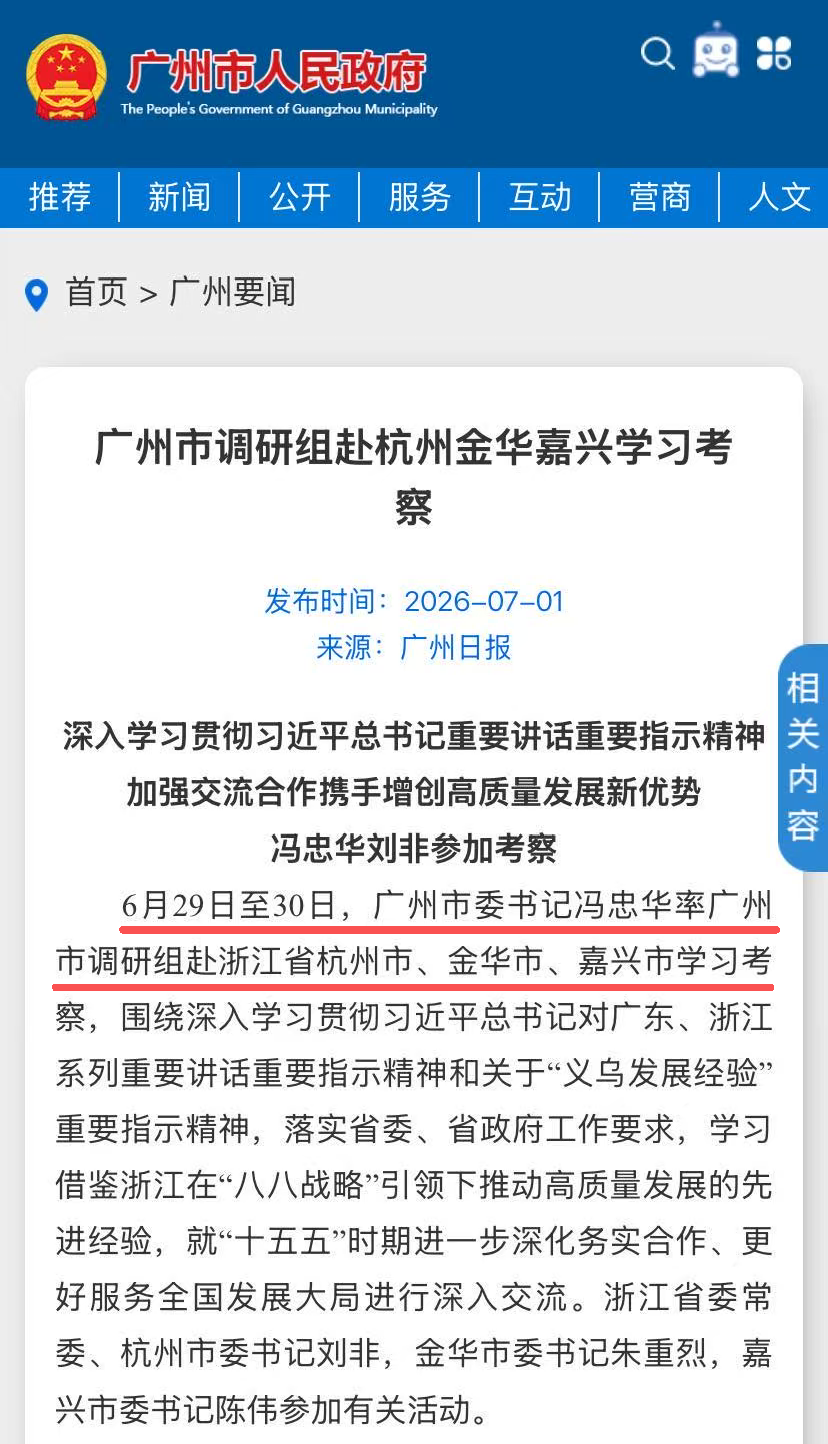
💡觀察中國一線城市如何調整產業策略,轉向AI以提升競爭力。
⚡ 30 秒速覽
有什麼變化
杭州的數位經濟成長主要由阿里巴巴等科技巨頭驅動。
為什麼重要
廣州未來可能轉向AI基礎設施的政策調整,將為大灣區的AI新創與研究機構創造新機會。
下一步行動
密切關注廣州即將發布的AI基礎設施政府標案以及大灣區的研究合作機會。
誰應關注:Founders & Product Leaders
關鍵要點
- •杭州的數位經濟成長主要由阿里巴巴等科技巨頭驅動。
- •與杭州相比,廣州在AI企業排名中處於劣勢。
- •廣州正研究杭州的「雲棲小鎮」與「之江實驗室」模式。
- •從傳統商貿轉向數位與AI驅動產業對廣州至關重要。
🧠 深度解析
本篇為 AI 生成分析,非原文內容。
🔑 增強重點摘要
- •Guangzhou's digital economy strategy is increasingly focused on the 'Industry 4.0' integration, specifically leveraging its massive manufacturing base in automotive and electronics to differentiate from Hangzhou's consumer-internet-centric model.
- •Hangzhou's 'Cloud Town' (Yunqi Town) has evolved into a specialized ecosystem hosting over 1,000 cloud computing and big data enterprises, creating a self-sustaining talent pipeline that Guangzhou currently lacks.
- •Guangzhou has launched the 'Artificial Intelligence +' initiative to bridge the gap, targeting the integration of AI into its traditional pillar industries like port logistics and high-end manufacturing rather than competing solely in software services.
- •The Zhijiang Laboratory in Hangzhou operates as a provincial-level research institution with a unique 'government-led, enterprise-supported' funding model that Guangzhou is attempting to replicate through its Nansha District development zone.
- •Data from 2025 indicates that while Hangzhou leads in digital economy value-added as a percentage of GDP, Guangzhou has seen a faster growth rate in industrial internet platform adoption, signaling a pivot toward B2B digital transformation.
📊 競品分析▸ Show
| Feature | Hangzhou (Digital Hub) | Guangzhou (Manufacturing Hub) |
|---|---|---|
| Primary Driver | Consumer Internet & Cloud | Advanced Manufacturing & Trade |
| Key Tech Giant | Alibaba Group | WeChat (Tencent) / XPeng |
| AI Focus | Research & Cloud Infrastructure | AI-Integrated Manufacturing |
| Economic Model | Platform Economy | Industrial Internet / B2B |
🛠️ 技術深入
- Hangzhou's Cloud Town utilizes a distributed cloud architecture optimized for high-concurrency e-commerce transactions and large-scale data processing.
- Zhijiang Laboratory focuses on 'Intelligent Computing' infrastructure, utilizing heterogeneous computing clusters that combine GPU and FPGA architectures for deep learning acceleration.
- Guangzhou's industrial internet strategy emphasizes the deployment of 5G-TSN (Time-Sensitive Networking) in smart factories to reduce latency in robotic control systems.
- Integration of Digital Twin technology is being piloted in Guangzhou's Nansha port to simulate logistics flows and optimize container handling efficiency.
🔮 前景展望基於引用來源的 AI 分析
Guangzhou will surpass Hangzhou in industrial AI patent filings by 2028.
The city's aggressive policy shift toward manufacturing-integrated AI is creating a higher volume of applied patent activity compared to Hangzhou's focus on software-based consumer applications.
Hangzhou will maintain its lead in cloud-native enterprise density.
The established ecosystem of Alibaba-affiliated startups and the maturity of the Cloud Town infrastructure create a high barrier to entry that Guangzhou's current industrial-focused strategy does not directly challenge.
⏳ 時間線
2015-10
Hangzhou officially launches the 'Cloud Town' (Yunqi Town) initiative to foster cloud computing clusters.
2017-09
Zhijiang Laboratory is established in Hangzhou as a major research center for AI and network information.
2022-06
Guangzhou releases the Nansha Plan to accelerate high-tech development and digital infrastructure.
2024-03
Guangzhou integrates 'Artificial Intelligence +' into its annual government work report as a core industrial strategy.
📰
AI 週報
閱讀本週精選 AI 大事摘要 →
👉相關動態




AI 策展新聞聚合。所有內容版權歸原始發布者所有。
原始來源: 虎嗅 ↗
每週電子報
每週一封,可隨時退訂。