Gartner:2028年前人形機器人生產部署不到20家
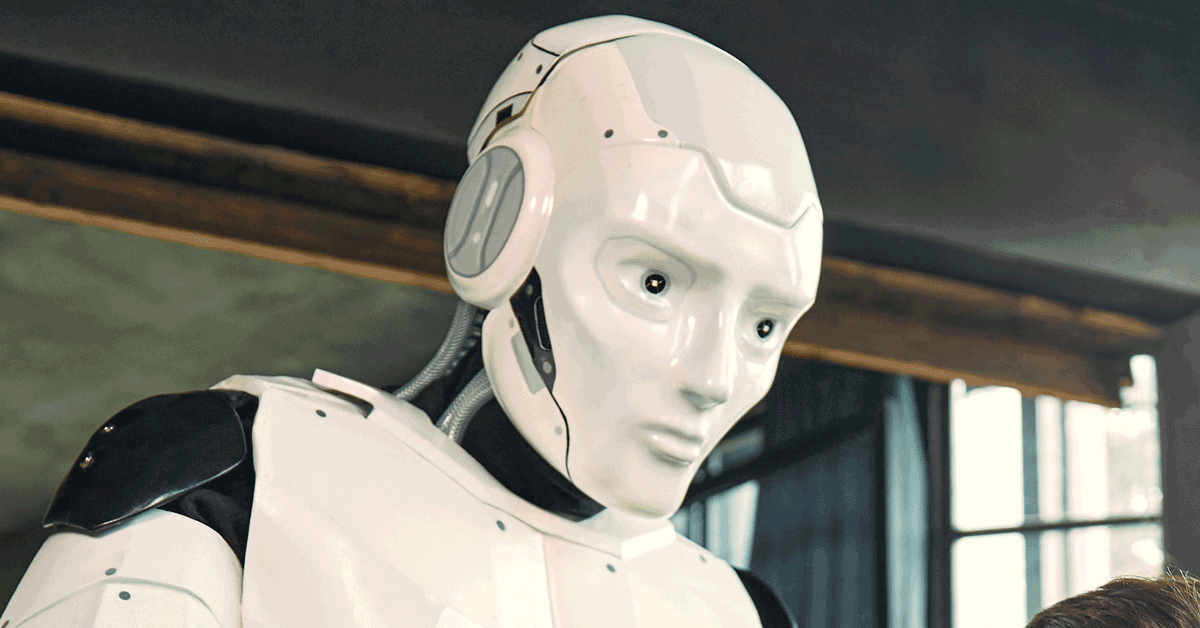
💡Gartner's reality check: humanoid boom delayed—rethink robotics investments now.
⚡ 30-Second TL;DR
有什麼變化
2028年生產部署不到20家公司
為什麼重要
壓低人形機器人快速擴張的預期,敦促機器人領域注重實際時程與基礎設施準備。
下一步行動
Download Gartner's humanoid robot forecast to adjust your physical AI roadmap.
關鍵要點
- •2028年生產部署不到20家公司
- •針對製造與供應鏈領域
- •警示物理AI採用過熱
🧠 深度解析
背景與延伸:來自公開資料,非原文內容。引用 5 個來源。
🔑 增強重點摘要
- •Gartner forecasts fewer than 100 companies will move humanoid robots beyond proof-of-concept stage, with fewer than 20 deploying them in live production environments by 2028[1][2]
- •Humanoid robots are expected to remain restricted to highly controlled settings rather than dynamic warehouse environments, indicating limited real-world applicability[1]
- •The technology gap between humanoid robot promise and actual performance remains wide, with concerns about versatility and cost-effectiveness limiting supply chain adoption[1]
- •Despite labor shortages and rising operating costs driving interest in humanoid robots, they are not expected to serve as flexible drop-in replacements for human workers[1]
- •Industrial robotics more broadly shows steady growth potential, with entry-level automation systems starting at approximately $20,000 and advanced units reaching $107,000, suggesting humanoids represent a premium segment with adoption barriers[4]
🛠️ 技術深入
Humanoid robots designed for supply chain applications feature: AI-enabled perception systems, machine learning capabilities, integrated cameras and sensors, articulated arms for manipulation tasks, and bipedal locomotion for navigating warehouse environments[1]. However, Gartner notes these technical capabilities do not translate to operational suitability in real-world logistics settings, suggesting the gap lies not in hardware specifications but in practical deployment challenges such as reliability, integration complexity, and cost-effectiveness relative to task-specific automation solutions[1].
🔮 前景展望AI analysis grounded in cited sources
The limited adoption forecast for humanoid robots by 2028 suggests that supply chain operators will continue prioritizing task-specific automation and traditional industrial robots over general-purpose humanoid solutions. This indicates that while physical AI generates significant hype, practical supply chain innovation will likely focus on proven technologies such as warehouse gamification (predicted to reach 40% adoption in large warehouses by 2028[3]), IoT, AI-driven monitoring systems, and specialized robotics. The humanoid robot market may remain a niche experiment for controlled pilot environments rather than transforming warehouse operations at scale[1].
⏳ 時間線
📎 來源 (5)
Factual claims are grounded in the sources below. Forward-looking analysis is AI-generated interpretation.
- warehouseautomation.ca — Why Humanoids Will Stall at the Pilot Stage
- eetimes.com — Factory Humanoid Robots Discerning Fact From Fiction
- mmh.com — Warehouse Gamification Adoption Gartner 2028
- insidelogistics.ca — Report Forecasts Steady Growth in Industrial Robotics and Smart Manufacturing Investment
- supplychaindigital.com — Gartner How Labour Shortages Result in Employee Engagement
AI 週報
閱讀本週精選 AI 大事摘要 →
👉相關動態

AI 策展新聞聚合。所有內容版權歸原始發布者所有。
原始來源: ITmedia AI+ (日本) ↗
每週 AI 簡報
每週一封,可隨時退訂。