來源虎嗅•較早收集於 23m
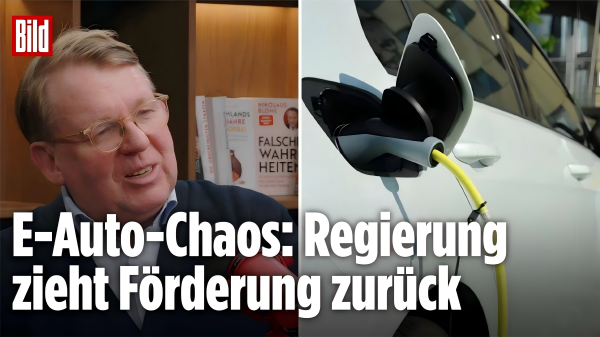
中國電動車攻入柏林,德國汽車產業彷徨才剛開始
#ev-policy#german-auto#chinese-evvolkswagenmercedesbmw
💡德國電動政策混亂,為汽車軟體競爭開AI機會之門
⚡ 30 秒速覽
有什麼變化
2023-24年電動車補貼大幅削減,月銷跌逾三成。
為什麼重要
提升中國電動車歐洲市佔,迫德系加速軟體與AI功能如人機互動。強調穩定政策建消費者對電動轉型的信任。
下一步行動
原型開發AI驅動電動車充電最佳化工具,針對德國基礎設施缺口。
誰應關注:Founders & Product Leaders
關鍵要點
- •2023-24年電動車補貼大幅削減,月銷跌逾三成。
- •新補貼瞄準中低收入與本土電池生產。
- •轉向軟體定義車輛挑戰德系對抗中國對手。
🧠 深度解析
本篇為 AI 生成分析,非原文內容。
🔑 增強重點摘要
- •The European Commission's imposition of definitive countervailing duties on Chinese-made battery electric vehicles (BEVs) in late 2024 has significantly altered the pricing landscape, forcing Chinese manufacturers to localize production within the EU to bypass tariffs.
- •German automakers are increasingly adopting 'China-for-China' strategies, establishing dedicated R&D centers in Shanghai and Beijing to accelerate software development cycles, which are currently 2-3 times faster than traditional German development timelines.
- •The German government's 'Klimaschutz-Sofortprogramm' has pivoted funding toward charging infrastructure expansion and grid modernization, acknowledging that the lack of public fast-charging density is a greater barrier to adoption than vehicle price alone.
📊 競品分析▸ Show
| Feature | German Legacy OEMs (e.g., VW, BMW) | Chinese EV Entrants (e.g., BYD, NIO) |
|---|---|---|
| Software Architecture | Legacy modular/distributed systems | Centralized Zonal/SOA architecture |
| Pricing Strategy | Premium/Mid-range (High margin) | Aggressive/Value-driven (High volume) |
| Battery Tech | NCM (Nickel Cobalt Manganese) | LFP (Lithium Iron Phosphate) / Blade |
| OTA Capabilities | Limited/Infrequent updates | Full-vehicle OTA (Frequent) |
🛠️ 技術深入
- Software-Defined Vehicle (SDV) Architecture: Chinese entrants utilize centralized high-performance computing (HPC) units, allowing for seamless integration of ADAS and infotainment, whereas German firms are transitioning from legacy CAN-bus architectures to Ethernet-based zonal controllers.
- Battery Integration: Chinese manufacturers are leading in Cell-to-Pack (CTP) and Cell-to-Chassis (CTC) technologies, significantly increasing energy density and reducing structural weight compared to traditional module-based packs used by German OEMs.
- Operating Systems: Shift toward proprietary OS layers (e.g., NIO's SkyOS) that decouple hardware from software, enabling rapid feature deployment, contrasting with the complex, multi-vendor software stacks historically used by German manufacturers.
🔮 前景展望基於引用來源的 AI 分析
German automakers will see a decline in domestic market share below 50% by 2028.
The combination of persistent software development delays and the aggressive price-to-feature ratio of Chinese imports is eroding the traditional loyalty of the German consumer base.
EU-based manufacturing of Chinese EV brands will become the industry standard.
Definitive anti-subsidy tariffs make direct importation from China economically unviable for high-volume sales, incentivizing Chinese firms to acquire or build factories within Germany and Hungary.
⏳ 時間線
2023-12
Germany abruptly terminates the 'Umweltbonus' EV subsidy program due to budget constraints.
2024-07
European Commission implements provisional countervailing duties on Chinese-made EVs.
2024-10
EU member states vote to finalize tariffs on Chinese EVs, escalating trade tensions.
2025-03
German government introduces targeted tax incentives for corporate EV fleets to stimulate demand.
📰
AI 週報
閱讀本週精選 AI 大事摘要 →
👉相關動態



AI 策展新聞聚合。所有內容版權歸原始發布者所有。
原始來源: 虎嗅 ↗
每週電子報
每週一封,可隨時退訂。