來源钛媒体•較早收集於 17m
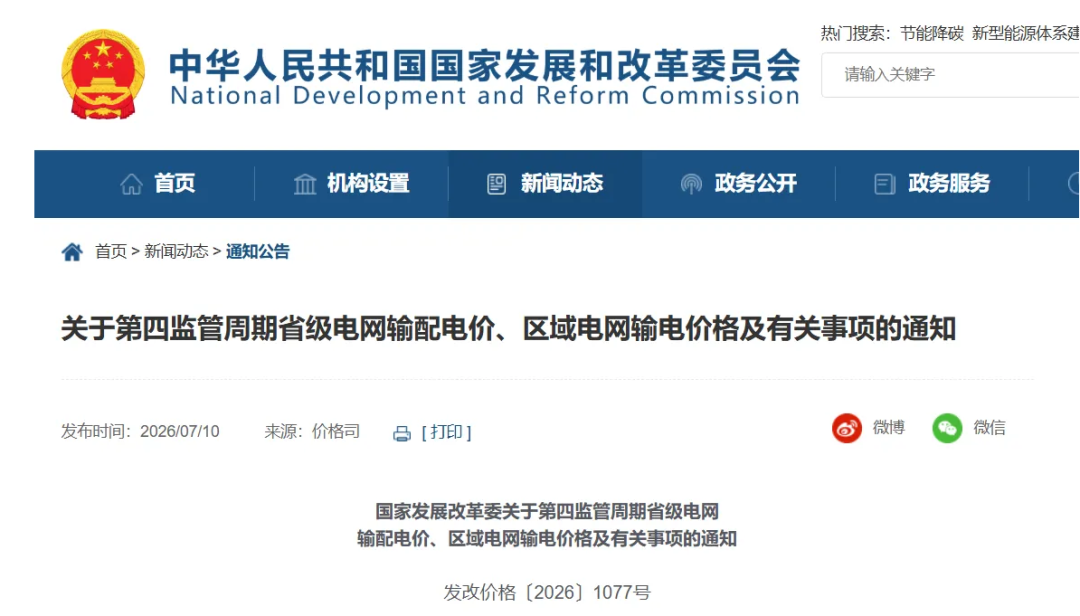
國家發改委:第四監管週期輸配電價新政出爐
💡能源成本是 AI 基礎設施的關鍵,了解新電價政策如何影響您的資料中心投資回報率。
⚡ 30 秒速覽
有什麼變化
新輸配電價政策旨在優化區域能源成本。
為什麼重要
AI 基礎設施提供商應根據新的區域電價重新評估資料中心選址,以優化營運成本。
下一步行動
若您在華中或西北地區營運大規模 GPU 叢集,請重新審視您的資料中心能源成本預測。
誰應關注:Enterprise & Security Teams
關鍵要點
- •新輸配電價政策旨在優化區域能源成本。
- •華中地區電價上漲,西北地區則有所下降。
- •此政策調整將影響高耗能 AI 資料中心的營運成本。
🧠 深度解析
本篇為 AI 生成分析,非原文內容。
🔑 增強重點摘要
- •The policy marks the transition to a 'capacity-based' pricing mechanism, moving away from the traditional volume-based model to better reflect the fixed costs of grid infrastructure.
- •The NDRC has introduced a 'two-part' tariff structure for large industrial users, separating capacity charges from electricity consumption charges to improve grid utilization efficiency.
- •The regulatory shift includes a new mechanism for cross-provincial power trading, designed to reduce the 'price gap' between power-exporting and power-importing regions.
- •Grid companies are now required to disclose more granular cost data, increasing transparency in how transmission and distribution (T&D) prices are calculated.
- •The policy explicitly incentivizes the integration of renewable energy by offering preferential transmission rates for green power delivered through ultra-high voltage (UHV) lines.
🛠️ 技術深入
- The pricing model utilizes a 'Cost Plus Reasonable Profit' methodology, where the 'reasonable profit' is calculated based on a fixed return on assets (ROA) rate, typically capped around 6-7% for regulated grid assets.
- Implementation involves the deployment of advanced metering infrastructure (AMI) to support real-time load monitoring, which is essential for the new capacity-based billing system.
- The regulatory framework mandates the separation of grid business accounting from competitive business segments to prevent cross-subsidization.
- Transmission price calculations now incorporate a 'dynamic adjustment factor' that accounts for regional grid investment intensity and historical asset depreciation schedules.
🔮 前景展望基於引用來源的 AI 分析
AI data center migration will accelerate toward Northwest China.
The significant reduction in transmission costs in Northwest regions creates a strong economic incentive for energy-intensive computing facilities to relocate away from Central China.
Grid operators will see increased capital expenditure in UHV infrastructure.
The policy's focus on cross-provincial trading and renewable integration necessitates expanded UHV capacity to balance the load between low-cost generation hubs and high-demand consumption centers.
⏳ 時間線
2015-03
Release of Document No. 9, initiating the comprehensive reform of the power sector.
2017-01
NDRC establishes the first regulatory cycle for provincial-level transmission and distribution prices.
2020-03
NDRC issues the second regulatory cycle policy, refining the cost-supervision mechanism.
2023-05
NDRC releases the third regulatory cycle policy, further standardizing grid cost accounting.
2026-06
NDRC officially announces the fourth regulatory cycle policy for electricity transmission and distribution prices.
📰
AI 週報
閱讀本週精選 AI 大事摘要 →
👉相關動態



AI 策展新聞聚合。所有內容版權歸原始發布者所有。
原始來源: 钛媒体 ↗
每週電子報
每週一封,可隨時退訂。