來源SCMP Technology•較早收集於 14m
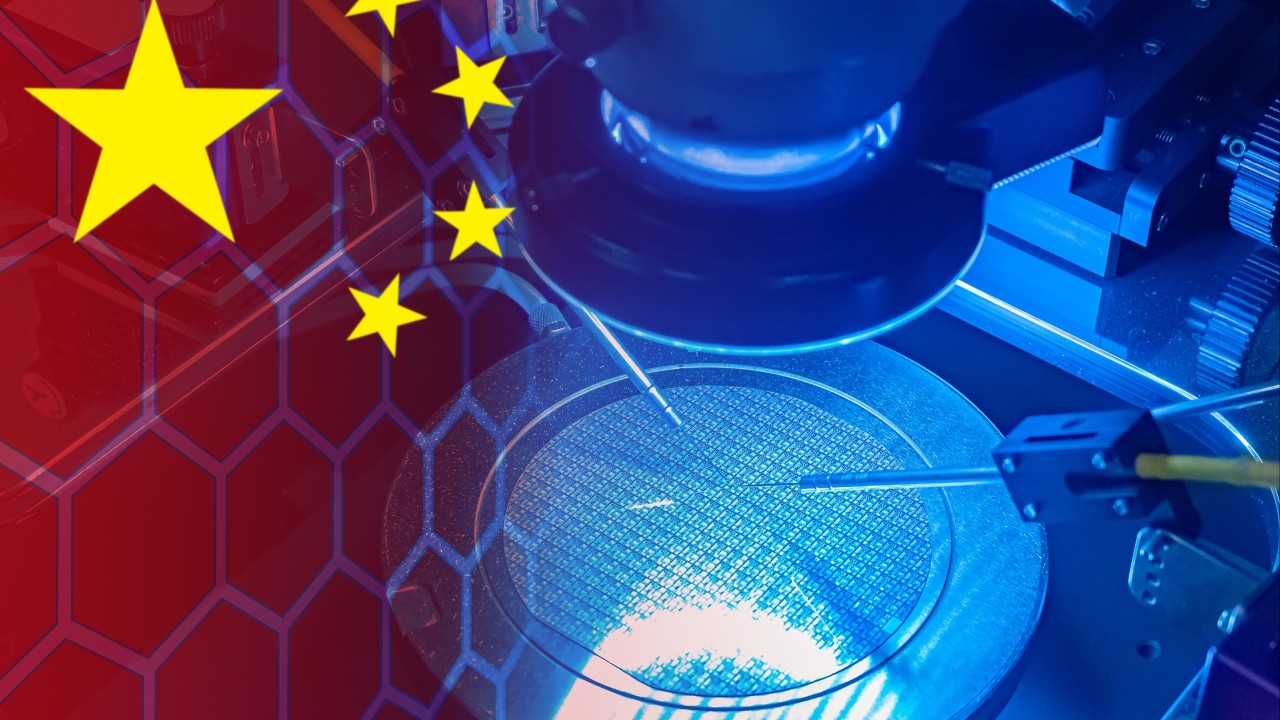
中國科技巨頭成立 5.77 億美元基金推動晶片研發
#semiconductors#china-tech#supply-chain#venture-capitalchangzhi-hanhai-private-investment-fundalibabacxmt
💡了解中國科技巨頭如何透過資助國內晶片研發,以繞過美國對 AI 硬體的出口限制。
⚡ 30 秒速覽
有什麼變化
該基金名為「常治瀚海」,總額為 39.1 億元人民幣(約 5.77 億美元)。
為什麼重要
此舉標誌著中國在半導體基礎設施方面向國內自給自足的戰略轉變。這可能會加速中國國內用於 AI 訓練和推理的替代硬體生態系統的發展。
下一步行動
監控 Changzhi Hanhai 的投資組合,以識別可能成為 AI 硬體供應鏈關鍵參與者的新興中國半導體新創公司。
誰應關注:Founders & Product Leaders
關鍵要點
- •該基金名為「常治瀚海」,總額為 39.1 億元人民幣(約 5.77 億美元)。
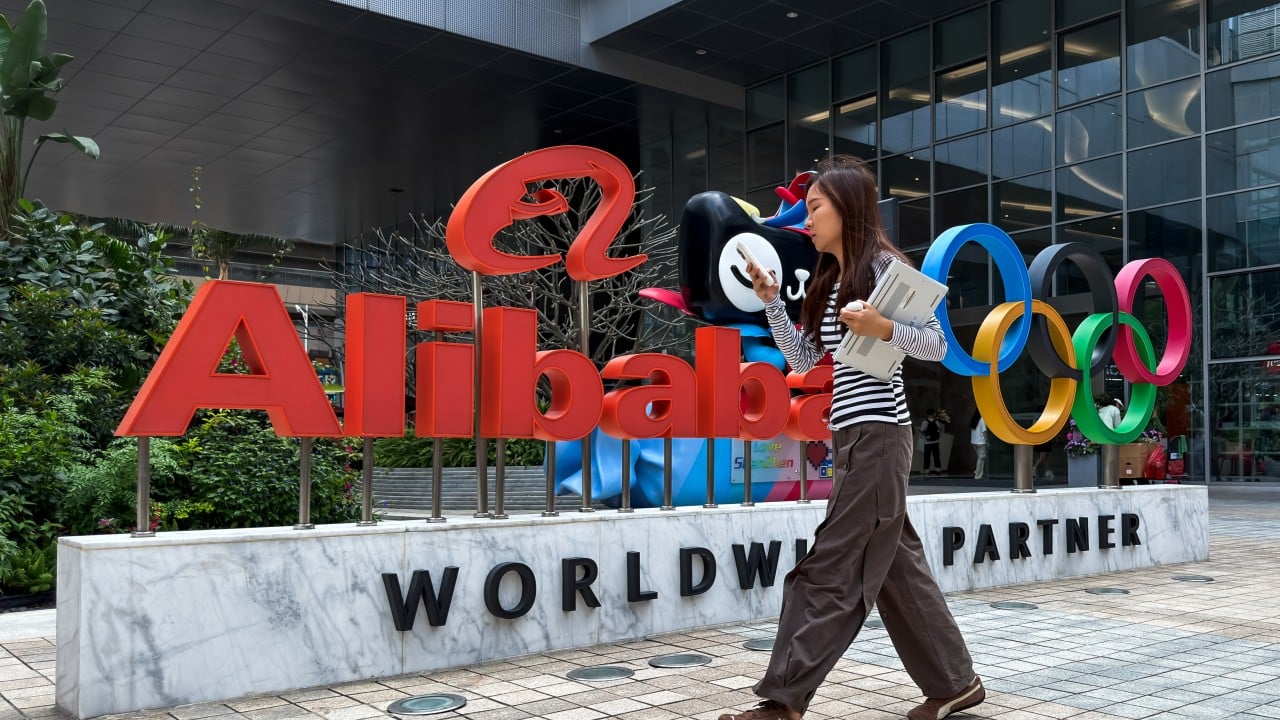
- •主要參與者包括 Alibaba Group Holding 和記憶體晶片製造商 CXMT。
- •資金專門用於「硬科技」和深科技研發,以應對美國的技術限制。
🧠 深度解析
背景與延伸:來自公開資料,非原文內容。引用 13 個來源。
🔑 增強重點摘要
- •The Changzhi Hanhai Private Investment Fund, registered in Shanghai's Pudong New Area, is specifically designed to provide 'patient capital' – long-term financing essential for deep-tech research and development that traditional, short-term venture capital often avoids.
- •Key participants in the fund include CXMT's subsidiary Changxin Xinju Equity Investment (Anhui) with a 30% stake, Dongguan Trust holding 29.4%, SSCI Leading Fund (backed by Shanghai's state-owned capital) with 20%, and Alibaba's investment affiliate Hangzhou Haoyue Enterprise Management with 10.2%. Advanced Micro-Fabrication Equipment (AMEC), a prominent domestic semiconductor toolmaker, also holds a 7.7% stake.
- •This private fund complements China's broader state-backed National Integrated Circuit Industry Investment Fund, known as the 'Big Fund,' which launched its third phase in May 2024 with a significantly larger capital of 344 billion yuan (US$47.5 billion).
- •The initiative is part of China's strategic push for semiconductor self-sufficiency, directly responding to US export controls that restrict China's access to advanced computing chips, semiconductor manufacturing equipment, and AI-related technologies.
🔮 前景展望基於引用來源的 AI 分析
China will accelerate its domestic semiconductor development.
The fund provides crucial long-term capital for deep-tech R&D, directly addressing the need for self-sufficiency amidst US restrictions.
US export controls may inadvertently strengthen China's indigenous chip industry.
Sanctions have spurred massive domestic investment and R&D, forcing Chinese companies to build their own tech stack.
The global semiconductor supply chain will become more fragmented.
China's push for self-reliance and the US's efforts to restrict technology transfer will lead to parallel, less integrated ecosystems.
⏳ 時間線
2014-09
China launches the first phase of its National Integrated Circuit Industry Investment Fund ('Big Fund I') with US$21.8 billion.
2016-01
ChangXin Memory Technologies (CXMT) is founded, specializing in DRAM design, manufacturing, sales, and R&D.
2019-05
The US Commerce Department bans companies using American technology from designing or producing semiconductors for Huawei.
2019-10
China launches the second phase of its National Integrated Circuit Industry Investment Fund ('Big Fund II') with US$29 billion.
2022-10
The US implements sweeping export controls to cut China off from certain advanced semiconductor chips and manufacturing equipment.
2024-05
China establishes the third phase of its National Integrated Circuit Industry Investment Fund ('Big Fund III') with a registered capital of 344 billion yuan (US$47.5 billion).
2026-06
Changzhi Hanhai Private Investment Fund is established by a coalition of Chinese tech firms including Alibaba and CXMT.
📎 來源 (13)
Factual claims are grounded in the sources below. Forward-looking analysis is AI-generated interpretation.
📰
AI 週報
閱讀本週精選 AI 大事摘要 →
👉相關動態
AI 策展新聞聚合。所有內容版權歸原始發布者所有。
原始來源: SCMP Technology ↗
每週電子報
每週一封,可隨時退訂。