📲Digital Trends•最新收集於 28m
Canva Code 2.0 透過自然語言簡化應用程式開發
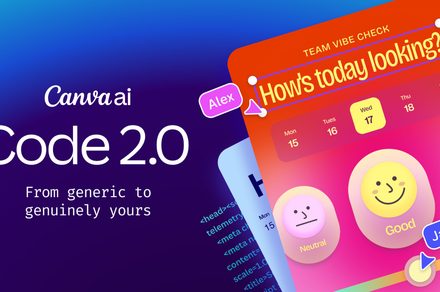
💡看看 Canva 如何整合基於 LLM 的「vibe coding」,讓非技術使用者也能成為應用程式開發者。
⚡ 30-Second TL;DR
有什麼變化
支援使用自然語言指令進行應用程式與網站開發。
為什麼重要
此更新讓創作者無需傳統程式設計技能即可製作功能性應用程式原型,實現了軟體開發的平民化。這使 Canva 在低程式碼/無程式碼開發領域成為強有力的競爭者。
下一步行動
嘗試使用 Canva Code 2.0 製作一個簡單的互動工具原型,並評估它是否能取代您設計密集型專案中的手動樣板程式碼編寫。
誰應關注:Creators & Designers
關鍵要點
- •支援使用自然語言指令進行應用程式與網站開發。
- •無縫整合於使用者熟悉的 Canva 編輯器介面。
- •旨在讓非技術人員也能輕鬆進行「vibe coding」。
- •支援互動式數位體驗的開發。
🧠 深度解析
AI-generated analysis for this event.
🔑 增強重點摘要
- •Canva Code 2.0 整合了專有的多模態大型語言模型,該模型針對 UI/UX 設計模式進行了微調,能將自然語言描述直接轉換為符合 Canva 設計系統的 React 元件。
- •此更新引入了「即時預覽沙盒」(Live Preview Sandbox),允許開發者在編輯器內直接與生成的程式碼互動,並支援即時除錯與邏輯調整。
- •Canva 透過此次更新擴展了其開發者平台(Canva Developers Platform),允許使用者將生成的應用程式直接發佈至 Canva Apps Marketplace。
- •Code 2.0 支援與外部 API 的無縫串接,使用者可透過自然語言設定資料擷取邏輯,無需編寫複雜的後端程式碼。
- •該功能採用了基於權限控制的安全性架構,確保生成的程式碼在執行時受到沙盒環境限制,防止惡意腳本注入。
📊 競品分析▸ Show
| 特色 | Canva Code 2.0 | Webflow (Logic/DevLink) | Framer AI |
|---|---|---|---|
| 核心定位 | 設計師導向的應用程式開發 | 專業級網站開發與 CMS | 視覺化網站設計與互動 |
| 自然語言能力 | 高 (專注於應用邏輯) | 中 (輔助佈局與邏輯) | 高 (專注於視覺生成) |
| 技術門檻 | 極低 (無程式碼) | 中高 (需理解 Web 開發) | 低 (設計師友善) |
| 定價模式 | 訂閱制 (包含於 Canva Pro) | 階梯式訂閱 (按專案計費) | 階梯式訂閱 (按網站計費) |
🛠️ 技術深入
- 採用基於 Transformer 架構的專用模型,針對 Canva 的 JSON 格式設計檔案進行語意對齊訓練。
- 支援將自然語言指令解析為 AST (抽象語法樹),進而自動生成符合 React 規範的元件結構。
- 整合了 TypeScript 靜態分析引擎,在背景自動檢查生成的程式碼是否存在型別錯誤或邏輯漏洞。
- 透過 WebAssembly (Wasm) 技術在瀏覽器端執行應用程式邏輯,確保高效能的互動體驗。
🔮 前景展望AI analysis grounded in cited sources
Canva 將成為非技術創作者開發 SaaS 微型服務的主要平台。
隨著 Code 2.0 對外部 API 支援的強化,Canva 正在從單純的設計工具轉型為輕量級應用開發平台。
傳統前端開發者的入門門檻將面臨結構性挑戰。
自然語言生成應用程式的能力將大幅降低市場對基礎前端切版與邏輯編寫的需求。
⏳ 時間線
2023-03
Canva 推出 Magic Studio,正式將生成式 AI 引入設計工作流。
2024-05
Canva 宣布收購 Affinity 系列軟體,強化專業設計與開發工具鏈。
2025-09
Canva 開發者平台進行重大升級,開放更多 API 存取權限。
2026-07
Canva 正式發布 Code 2.0,實現自然語言驅動的應用程式開發。
📰
AI 週報
閱讀本週精選 AI 大事摘要 →
👉相關動態


AI 策展新聞聚合。所有內容版權歸原始發布者所有。
原始來源: Digital Trends ↗