來源钛媒体•較早收集於 29m
大廠抄龍蝦,無夢想
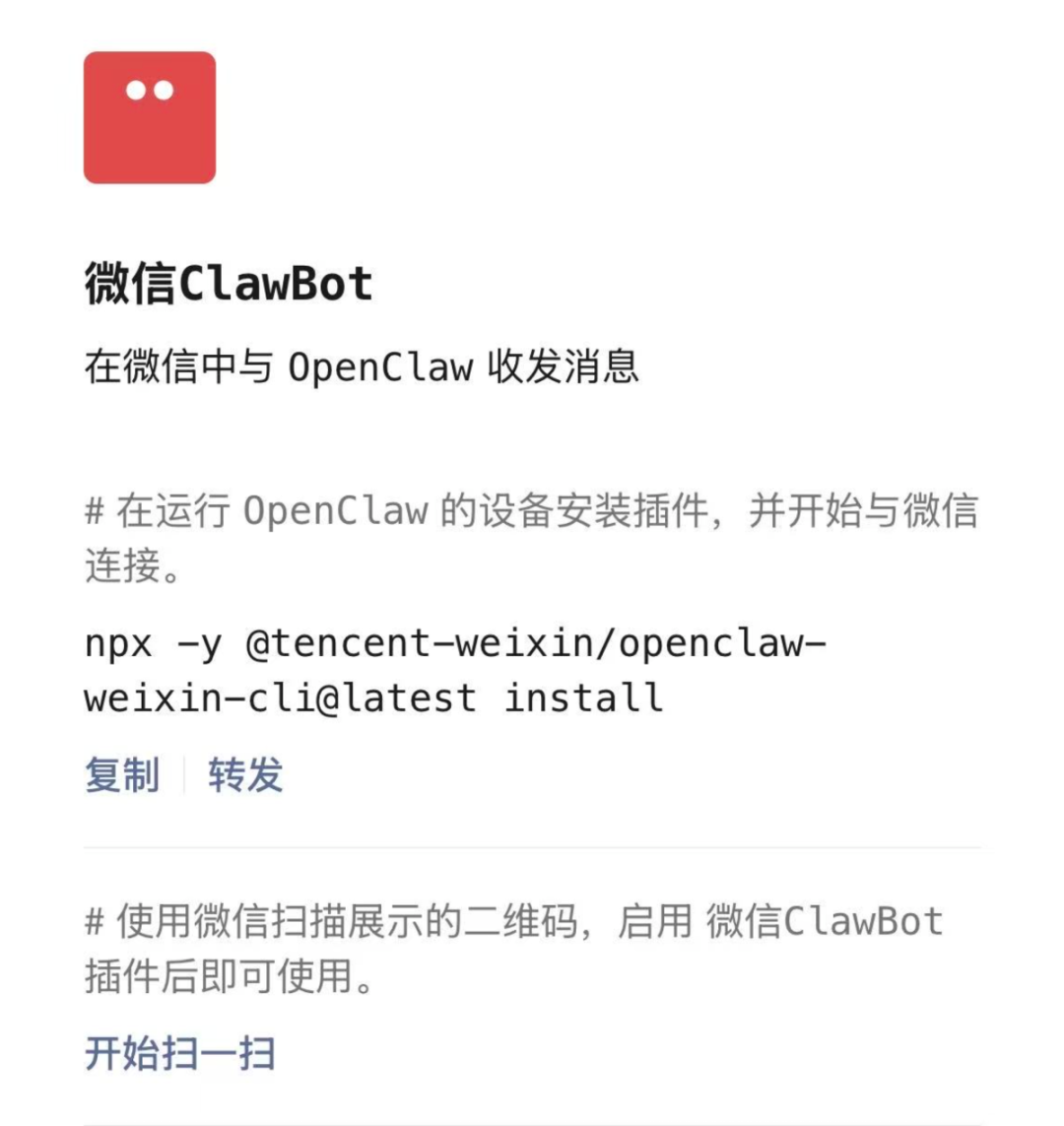
#longxia-copycats#big-tech-innovation#lobster-ailongxialongxia
💡大廠抄Longxia為何失敗—AI建造者教訓(20字元)
⚡ 30 秒速覽
有什麼變化
大廠仿效Longxia龍蝦AI策略
為什麼重要
凸顯坐擁者仿效新創的創新缺口,敦促AI創辦人超越複製以求差異化。
下一步行動
分析Longxia AI軟體,找出超越大廠複製品的獨特優勢。
誰應關注:Founders & Product Leaders
關鍵要點
- •大廠仿效Longxia龍蝦AI策略
- •抄襲策略欠缺夢想
- •大科技企業失去掌控感
🧠 深度解析
本篇為 AI 生成分析,非原文內容。
🔑 增強重點摘要
- •The 'Longxia' (Lobster) phenomenon refers to a specific trend in the Chinese tech sector where companies prioritize short-term, high-frequency traffic-driven AI applications over foundational research.
- •Industry critics argue that this 'lobster' strategy reflects a shift from 'innovation-led' to 'imitation-led' growth, driven by intense pressure to demonstrate immediate AI monetization to shareholders.
- •The loss of control mentioned in the article is linked to the 'internal fragmentation' of large tech firms, where siloed departments rush to launch derivative AI tools to meet internal KPIs rather than pursuing a unified, long-term vision.
🔮 前景展望基於引用來源的 AI 分析
Increased market consolidation among AI-first startups.
Big tech's reliance on derivative, low-vision AI strategies will likely create a vacuum that specialized, high-vision startups will fill.
Regulatory scrutiny on AI 'copycat' products will intensify.
As major firms flood the market with redundant AI tools, regulators are likely to intervene to prevent anti-competitive behavior and ensure product quality.
📰
AI 週報
閱讀本週精選 AI 大事摘要 →
👉相關動態



AI 策展新聞聚合。所有內容版權歸原始發布者所有。
原始來源: 钛媒体 ↗
每週電子報
每週一封,可隨時退訂。