來源钛媒体•較早收集於 18m
2026北京國際車展智駕新車圖鑑
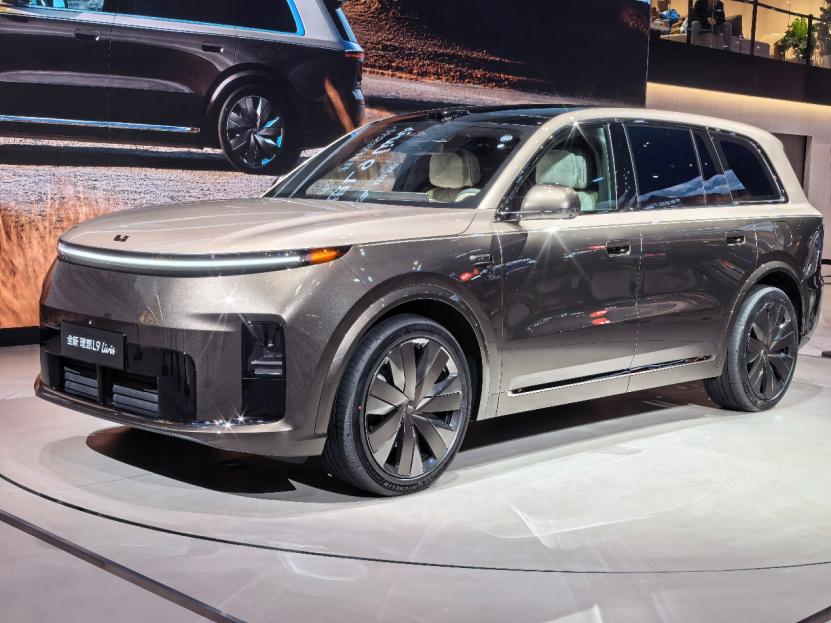
2026北京車展10萬級L4智駕車爆發-具身AI開發者必看。
30 秒速覽
有什麼變化
2026北京車展智駕新車圖鑑
為什麼重要
加速中國在平價自動駕駛技術的主導地位,挑戰西方業者。提升車輛AI晶片、感測器與軟體需求。預示消費市場轉向L4等級。
下一步行動
以北京車展圖鑑中的L4車輛基準測試您的電腦視覺模型。
誰應關注:Developers & AI Engineers
關鍵要點
- •2026北京車展智駕新車圖鑑
- •從10萬人民幣級到L4系統車型
- •標誌智駕大規模落地與全面採用
深度解析
本篇為 AI 生成分析,非原文內容。
增強重點摘要
- •The 2026 Beijing Auto Show marks a pivotal shift toward 'End-to-End' neural network architectures, moving away from modular perception-planning stacks in mass-market vehicles.
- •Regulatory frameworks in China have been updated as of early 2026 to allow for localized L4 robotaxi testing in designated zones, directly influencing the commercial viability of the high-end models showcased.
- •A significant trend observed is the integration of 'AI-native' cockpits, where large language models (LLMs) are deeply embedded into the vehicle's OS for real-time, context-aware driving assistance and cabin control.
競品分析
Perception
- Entry-Level Smart EV (100k RMB)
- Vision-only (Cameras)
- Mid-Range Autonomous (250k-350k RMB)
- Fusion (LiDAR + Cameras)
- L4 Robotaxi/Flagship (>500k RMB)
- Multi-modal (LiDAR + Radar + Cameras)
Compute
- Entry-Level Smart EV (100k RMB)
- 50-100 TOPS
- Mid-Range Autonomous (250k-350k RMB)
- 250-500 TOPS
- L4 Robotaxi/Flagship (>500k RMB)
- 1000+ TOPS
Autonomy Level
- Entry-Level Smart EV (100k RMB)
- L2+ (Highway Pilot)
- Mid-Range Autonomous (250k-350k RMB)
- L2++ (Urban NOA)
- L4 Robotaxi/Flagship (>500k RMB)
- L4 (Geofenced)
Key Players
- Entry-Level Smart EV (100k RMB)
- BYD, Geely (Entry lines)
- Mid-Range Autonomous (250k-350k RMB)
- Xiaomi, XPeng, Li Auto
- L4 Robotaxi/Flagship (>500k RMB)
- Baidu Apollo, Pony.ai, Huawei ADS
| Feature | Entry-Level Smart EV (100k RMB) | Mid-Range Autonomous (250k-350k RMB) | L4 Robotaxi/Flagship (>500k RMB) |
|---|---|---|---|
| Perception | Vision-only (Cameras) | Fusion (LiDAR + Cameras) | Multi-modal (LiDAR + Radar + Cameras) |
| Compute | 50-100 TOPS | 250-500 TOPS | 1000+ TOPS |
| Autonomy Level | L2+ (Highway Pilot) | L2++ (Urban NOA) | L4 (Geofenced) |
| Key Players | BYD, Geely (Entry lines) | Xiaomi, XPeng, Li Auto | Baidu Apollo, Pony.ai, Huawei ADS |
技術深入
- Transition to Transformer-based 'End-to-End' models: Replacing traditional rule-based planning with unified neural networks that map sensor inputs directly to control outputs.
- Compute Architecture: Widespread adoption of 3nm and 5nm automotive-grade SoCs (System-on-Chips) to handle the increased computational load of real-time generative AI in-cabin.
- Sensor Fusion: Shift toward 'BEV + Transformer' (Bird's Eye View) perception, allowing for better spatial reasoning in complex urban environments compared to previous 2D-based systems.
前景展望基於引用來源的 AI 分析
Consolidation of the Chinese EV market will accelerate by Q4 2026.
The high R&D costs associated with implementing L4-capable hardware across all price tiers will squeeze out smaller manufacturers lacking scale.
Urban Navigation on Autopilot (NOA) will reach 80% penetration in Tier-1 Chinese cities by year-end.
The rapid deployment of high-definition mapping and improved sensor suites showcased at the show reduces the barrier to entry for urban autonomous driving.
時間線
2024-04
Beijing Auto Show highlights initial shift toward urban NOA and mass-market LiDAR adoption.
2025-01
Chinese regulators release updated guidelines for L3/L4 autonomous vehicle testing on public roads.
2025-10
Major OEMs begin mass-production of vehicles featuring integrated LLM-based voice assistants.
2026-04
2026 Beijing International Auto Show opens, showcasing the first wave of affordable L4-ready hardware.
- 2024-04Beijing Auto Show highlights initial shift toward urban NOA and mass-market LiDAR adoption.
- 2025-01Chinese regulators release updated guidelines for L3/L4 autonomous vehicle testing on public roads.
- 2025-10Major OEMs begin mass-production of vehicles featuring integrated LLM-based voice assistants.
- 2026-042026 Beijing International Auto Show opens, showcasing the first wave of affordable L4-ready hardware.
AI 週報
閱讀本週精選 AI 大事摘要 →
AI 策展新聞聚合。所有內容版權歸原始發布者所有。
原始來源: 钛媒体 ↗
每週電子報
每週一封,可隨時退訂。