來源钛媒体•較早收集於 42m
小米的2025:汽車站穩第三增長極,儲存成本壓力急速增大
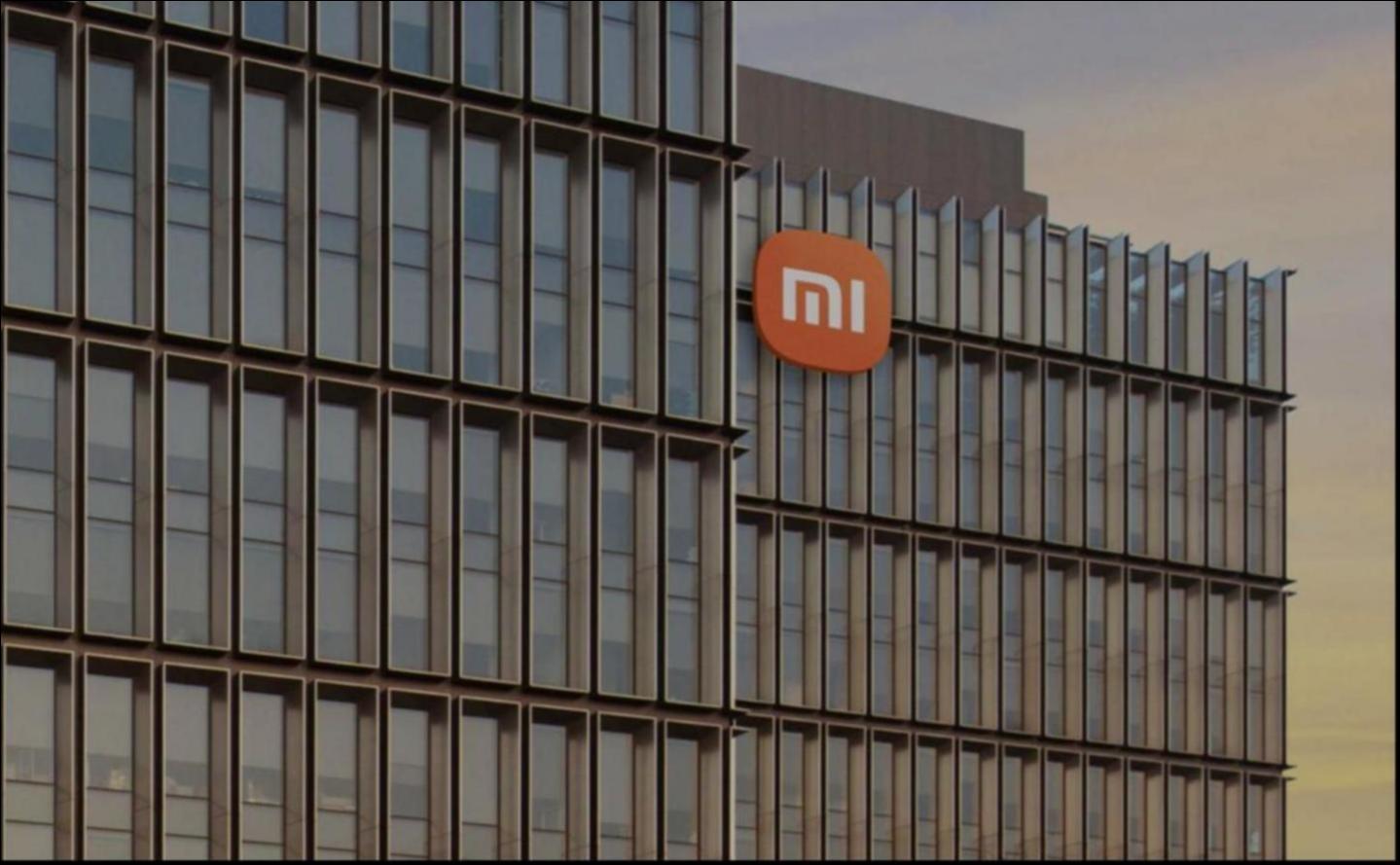
#storage-chips#ev-strategy#cost-pressurexiaomixiaomilu-weibing
💡小米警告儲存晶片漲價超預期——對AI記憶體成本至關重要。(28字)
⚡ 30 秒速覽
有什麼變化
小米汽車穩固成為第三增長極,與手機及物聯網並列
為什麼重要
儲存成本上升將壓縮AI基礎設施預算,因為記憶體對大型模型訓練至關重要。小米的電動車推進顯示大科技公司在晶片供應緊張中多元化。
下一步行動
追蹤TrendForce的NAND快閃記憶體價格指數,以預測AI訓練硬體成本。
誰應關注:Founders & Product Leaders
關鍵要點
- •小米汽車穩固成為第三增長極,與手機及物聯網並列
- •儲存晶片價格超出最激進預期
- •小米總裁盧偉冰談NAND快閃記憶體成本暴漲
🧠 深度解析
本篇為 AI 生成分析,非原文內容。
🔑 增強重點摘要
- •Xiaomi's automotive division, Xiaomi EV, achieved a significant milestone by delivering over 100,000 units of the SU7 model within the first year of production, validating the 'third pillar' strategy.
- •The surge in storage costs is primarily driven by the industry-wide transition to high-layer count 3D NAND and the increased demand for high-capacity UFS 4.0 storage in AI-integrated smartphones.
- •To mitigate the impact of rising component costs, Xiaomi is accelerating its 'Xiaomi HyperOS' ecosystem integration to increase software-driven revenue margins, offsetting hardware cost volatility.
📊 競品分析▸ Show
| Feature/Metric | Xiaomi SU7 (2025) | Tesla Model 3 (2025) | BYD Seal (2025) |
|---|---|---|---|
| Primary Focus | Smart Ecosystem Integration | Autonomous Driving/Efficiency | Vertical Integration/Value |
| Storage/Compute | High-capacity UFS 4.0 | Custom FSD Hardware | Standardized Automotive Grade |
| Market Positioning | Premium Tech-Centric | Global Benchmark | Mass Market Competitive |
🛠️ 技術深入
- •Xiaomi's automotive cockpit utilizes the Qualcomm Snapdragon 8295 SoC, which requires high-bandwidth, low-latency LPDDR5X memory and UFS 4.0 storage to support real-time 3D rendering and AI voice processing.
- •The storage cost pressure is exacerbated by the shift from 128-layer to 232-layer+ NAND flash, which has seen supply constraints due to yield optimization challenges at major foundries.
- •Xiaomi's 'Smart Chassis' architecture relies on a centralized domain controller that integrates storage-heavy sensor fusion data, making the company highly sensitive to fluctuations in the memory market.
🔮 前景展望基於引用來源的 AI 分析
Xiaomi will likely pivot to tiered storage configurations in future smartphone releases.
Rising NAND costs make maintaining current profit margins on base-model storage capacities unsustainable without price hikes or capacity reductions.
Xiaomi EV will prioritize in-house software development to improve hardware utilization efficiency.
Maximizing the performance of existing hardware through software optimization is the only viable path to maintain competitive pricing amidst rising component costs.
⏳ 時間線
2021-03
Xiaomi officially announces its entry into the electric vehicle market.
2023-12
Xiaomi hosts the SU7 technology launch event, detailing its 'Human x Car x Home' ecosystem.
2024-03
Xiaomi officially launches the SU7, marking the start of commercial deliveries.
2024-11
Xiaomi EV achieves the milestone of 100,000 cumulative vehicle deliveries.
2025-02
Lu Weibing publicly addresses the impact of rising memory component costs on hardware margins.
📰
AI 週報
閱讀本週精選 AI 大事摘要 →
👉相關動態



AI 策展新聞聚合。所有內容版權歸原始發布者所有。
原始來源: 钛媒体 ↗
每週電子報
每週一封,可隨時退訂。