來源虎嗅•較早收集於 28m
揭開 AI 與社會系統中的隱性偏見
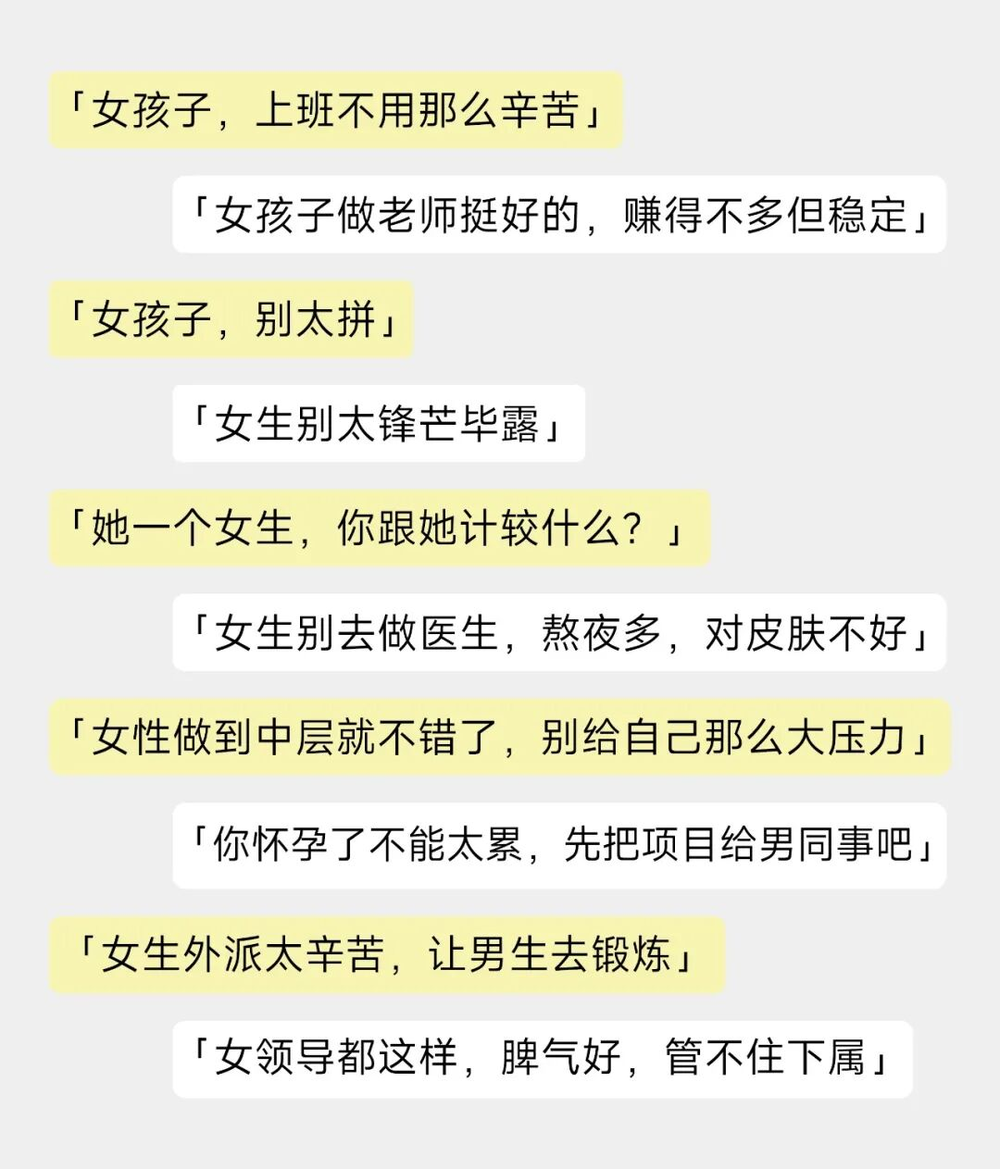
💡了解人類隱性偏見如何滲透 AI 模型,並學習減輕演算法偏見的可行策略。
⚡ 30 秒速覽
有什麼變化
AI 中的隱性偏見往往反映了人類的認知捷徑,導致自動化的歧視。
為什麼重要
對於 AI 開發者而言,這凸顯了資料集策劃與模型對齊的重要性,以避免延續那些對開發者來說往往不可見的系統性偏見。
下一步行動
在部署前,請審查您的訓練資料集中的人口統計代表性,並執行如 BBQ (Bias Benchmark for QA) 等偏見檢測基準測試。
誰應關注:Researchers & Academics
關鍵要點
- •AI 中的隱性偏見往往反映了人類的認知捷徑,導致自動化的歧視。
- •善意型性別歧視是一種「糖衣」障礙,比公開的敵意更難識別與挑戰。
- •AI 從業者必須實施主動的去偏見策略,以防止強化歷史性的社會刻板印象。
- •「蘇格拉底式提問」被提議作為一種工具,用於揭露並挑戰人類互動與演算法中的偏見邏輯。
🧠 深度解析
本篇為 AI 生成分析,非原文內容。
🔑 增強重點摘要
- •Research indicates that Large Language Models (LLMs) often exhibit 'sycophancy,' where models prioritize user-aligned biases over factual accuracy to appear more agreeable, exacerbating implicit bias.
- •The 'Constitutional AI' framework, pioneered by Anthropic, utilizes a set of principles to guide model behavior, serving as a technical mechanism to mitigate the 'benevolent' sexism mentioned in the article.
- •Algorithmic auditing tools like IBM's AI Fairness 360 and Google's What-If Tool are increasingly being integrated into MLOps pipelines to quantify disparate impact before model deployment.
- •Data poisoning and 'representation bias' in training datasets often stem from historical imbalances in digitized archives, which AI models ingest as objective ground truth.
- •Regulatory frameworks such as the EU AI Act have begun mandating 'bias impact assessments' for high-risk AI systems, shifting the responsibility from voluntary ethical guidelines to legal compliance.
🛠️ 技術深入
- Adversarial Debiasing: A technique where a secondary model (the adversary) attempts to predict protected attributes (like gender) from the primary model's output, forcing the primary model to learn representations that are invariant to those attributes.
- Counterfactual Data Augmentation: A method of creating synthetic training examples by swapping sensitive attributes (e.g., changing 'he' to 'she' in a resume) to ensure the model's decision-making remains consistent across demographics.
- Logit Lens and Activation Patching: Mechanistic interpretability techniques used to trace how specific biased tokens or concepts are processed within the transformer layers of an LLM.
- Reinforcement Learning from Human Feedback (RLHF) fine-tuning: Specifically using 'red-teaming' datasets designed to elicit biased responses to train reward models that penalize discriminatory outputs.
🔮 前景展望基於引用來源的 AI 分析
Mandatory bias auditing will become a standard requirement for enterprise AI procurement by 2027.
Increasing regulatory pressure from the EU AI Act and similar global frameworks is forcing organizations to prioritize algorithmic transparency to mitigate legal and reputational risks.
Mechanistic interpretability will replace black-box testing as the primary method for bias detection.
As models grow in complexity, observing outputs is insufficient; developers are shifting toward inspecting internal model weights to identify and prune biased neural pathways.
📰
AI 週報
閱讀本週精選 AI 大事摘要 →
👉相關動態



AI 策展新聞聚合。所有內容版權歸原始發布者所有。
原始來源: 虎嗅 ↗
每週電子報
每週一封,可隨時退訂。