來源钛媒体•較早收集於 33m
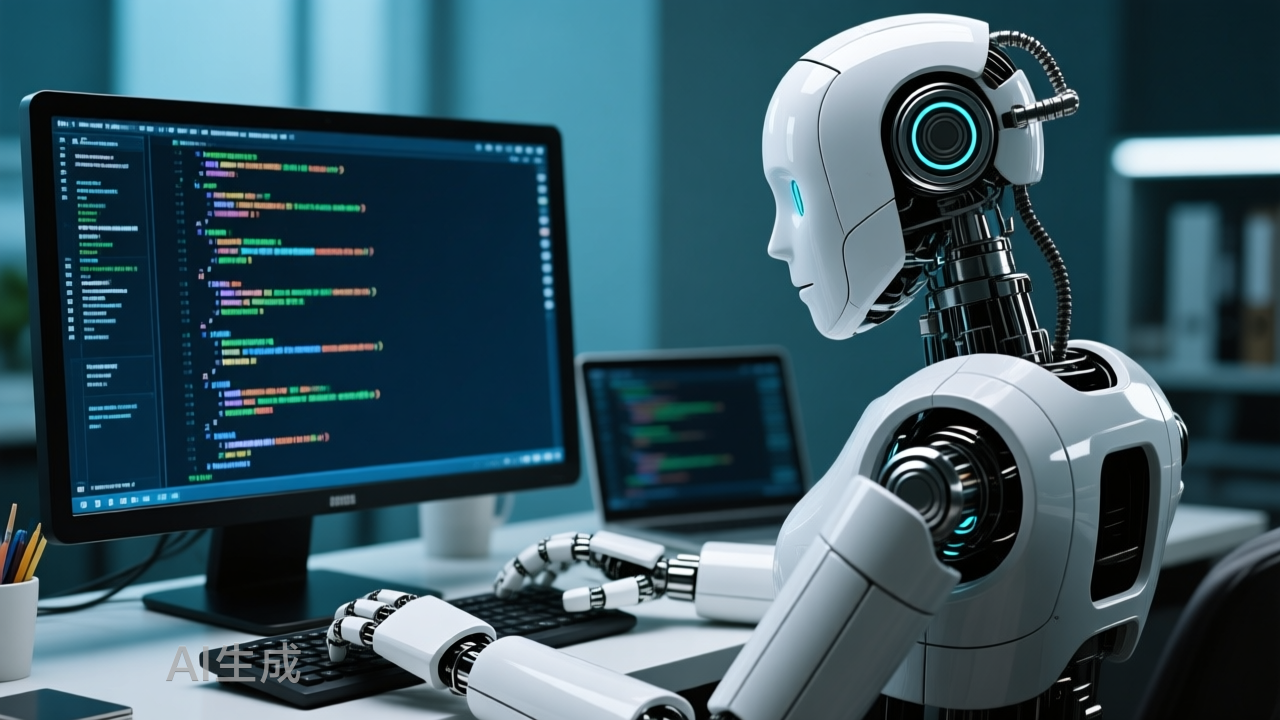
MIT:AI程式碼迭代越改越糟
#code-degradation#iterative-edits#future-proof-codingai-code-generatorsmit
💡MIT證實AI程式碼修越多越爛—還不如人類爛碼!重新思考寫碼AI評估。(48字)
⚡ 30 秒速覽
有什麼變化
MIT研究顯示AI程式碼經迭代編輯會退化
為什麼重要
挑戰AI取代開發者的炒作,促使混合工作流程。可能延緩AI在軟體工程的全盤採用,直至新訓練範式出現。
下一步行動
在你的AI寫碼工具如Cursor或GitHub Copilot上測試迭代編輯,以測量品質退化。
誰應關注:Developers & AI Engineers
關鍵要點
- •MIT研究顯示AI程式碼經迭代編輯會退化
- •AI生成碼表現不如人類遺留「屎山」
- •應優先「為未來寫碼」能力而非單次基準
🧠 深度解析
本篇為 AI 生成分析,非原文內容。
🔑 增強重點摘要
- •The MIT research identifies 'model collapse' and 'error accumulation' as primary drivers, where AI models trained on their own previous outputs lose nuance and introduce cumulative logical drift.
- •The study highlights that AI models struggle specifically with 'context window pollution,' where iterative prompts cause the model to lose track of the original architectural constraints, leading to 'hallucinated refactoring.'
- •Researchers propose a shift toward 'Neuro-Symbolic' integration, suggesting that AI coding assistants must incorporate formal verification tools to check code validity at each iteration rather than relying solely on probabilistic generation.
🔮 前景展望基於引用來源的 AI 分析
AI-assisted development workflows will mandate formal verification layers.
To prevent iterative degradation, IDE plugins will likely integrate static analysis tools that validate code logic before allowing the AI to suggest further modifications.
Benchmark standards will shift from 'pass@k' to 'stability@n'.
Industry metrics will move away from single-shot success rates toward measuring how well code maintains functionality after n-number of iterative edits.
📰
AI 週報
閱讀本週精選 AI 大事摘要 →
👉相關動態



AI 策展新聞聚合。所有內容版權歸原始發布者所有。
原始來源: 钛媒体 ↗
每週電子報
每週一封,可隨時退訂。