來源BBC Technology•較早收集於 31m
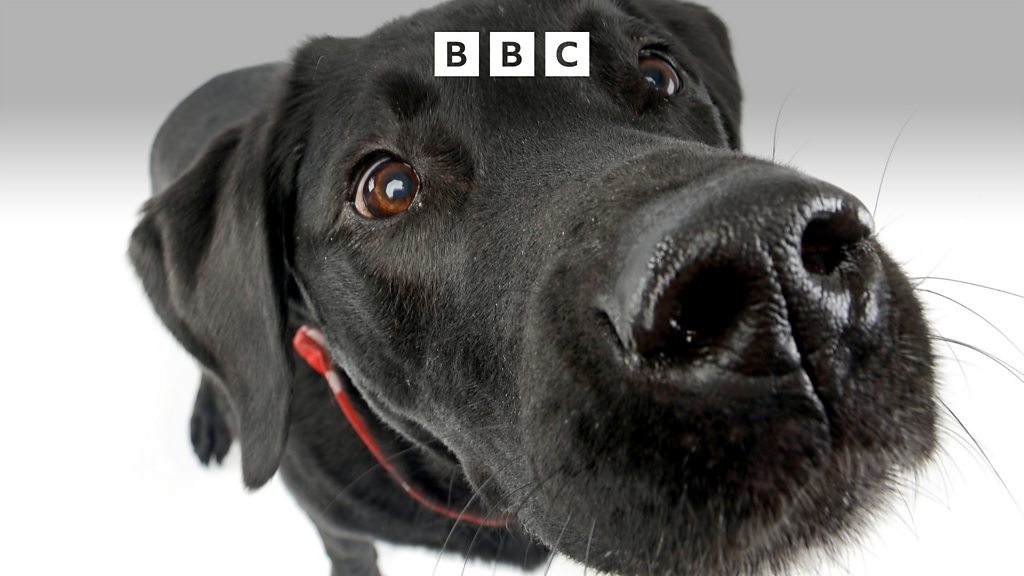
機器學習模仿犬類嗅覺能力
#sensor-fusion#pattern-recognition#chemical-sensingelectronic-nose-(e-nose)-technology
💡了解深度學習如何使機器執行以往僅限於生物體的複雜化學感測任務。
⚡ 30 秒速覽
有什麼變化
開發用於檢測揮發性有機化合物的傳感器陣列
為什麼重要
這項研究可能帶來超越現有氣相色譜法的高精度便攜式化學傳感器。它為醫療和環境領域中基於AI的診斷工具開闢了新途徑。
下一步行動
探索 UCI Machine Learning Repository 中與氣體傳感器陣列相關的數據集,以嘗試構建氣味分類模型。
誰應關注:Researchers & Academics
關鍵要點
- •開發用於檢測揮發性有機化合物的傳感器陣列
- •應用模式識別技術對不同的氣味特徵進行分類
- •在安全、醫療保健和環境監測中的潛在應用
🧠 深度解析
本篇為 AI 生成分析,非原文內容。
🔑 增強重點摘要
- •Integration of 'bio-hybrid' sensors that utilize actual olfactory receptors from mammals coupled with CMOS integrated circuits to achieve sensitivity levels exceeding traditional electronic noses.
- •Advancements in neuromorphic computing architectures allow these systems to process odor data in real-time with ultra-low power consumption, mimicking the neural pathways of the canine olfactory bulb.
- •Development of 'digital olfaction' databases that standardize odor signatures, enabling cross-platform compatibility for scent-based AI models similar to image recognition datasets like ImageNet.
- •Implementation of micro-gas chromatography (μGC) on-a-chip, which physically separates complex chemical mixtures before they reach the sensor array to improve classification accuracy.
- •Regulatory and ethical discussions are emerging regarding the use of 'scent-tracking' AI in public spaces, focusing on privacy implications of capturing biometric chemical signatures.
📊 競品分析▸ Show
| Feature | Koniku (Koni) | Aromyx | Owlstone Medical |
|---|---|---|---|
| Core Tech | Synthetic Biology/Silicon | Bio-sensor Arrays | Field Asymmetric Ion Mobility Spectrometry |
| Primary Focus | Security/Threat Detection | Food/Flavor/Fragrance | Breath Biopsy/Healthcare |
| Benchmarks | High sensitivity to explosives | High accuracy in taste/smell mapping | Clinical grade VOC detection |
🛠️ 技術深入
- Sensor Architecture: Utilizes Metal-Oxide-Semiconductor (MOS) gas sensors or Conducting Polymer (CP) sensors arranged in arrays to create a unique 'fingerprint' for specific VOCs.
- Signal Processing: Employs Deep Neural Networks (DNNs) and Convolutional Neural Networks (CNNs) to analyze the temporal response patterns of the sensors rather than just steady-state readings.
- Data Pre-processing: Uses Principal Component Analysis (PCA) and Linear Discriminant Analysis (LDA) to reduce dimensionality of complex odor data before classification.
- Hardware Implementation: Often relies on Field Programmable Gate Arrays (FPGAs) for high-speed, low-latency processing of sensor data streams.
🔮 前景展望基於引用來源的 AI 分析
Personalized health monitoring via smartphone-integrated breath analysis will become a standard feature by 2028.
Miniaturization of sensor arrays is reaching a threshold where integration into consumer mobile devices is technically and economically feasible.
Automated odor-based quality control will replace human sensory panels in the food and beverage industry.
Machine learning models have demonstrated the ability to detect spoilage and consistency issues with higher repeatability than human olfactory systems.
⏳ 時間線
2019-05
Initial breakthroughs in neuromorphic olfactory chips demonstrated by academic research labs.
2022-11
First commercial deployment of AI-driven odor detection arrays in industrial chemical leak monitoring.
2024-08
Standardization of digital odor classification protocols initiated by international sensor technology consortiums.
2025-12
Integration of bio-hybrid olfactory sensors into high-security airport screening pilot programs.
📰
AI 週報
閱讀本週精選 AI 大事摘要 →
👉相關動態


AI 策展新聞聚合。所有內容版權歸原始發布者所有。
原始來源: BBC Technology ↗
每週電子報
每週一封,可隨時退訂。