Godot 維護者苦於耗盡人心的 AI 垃圾 PR
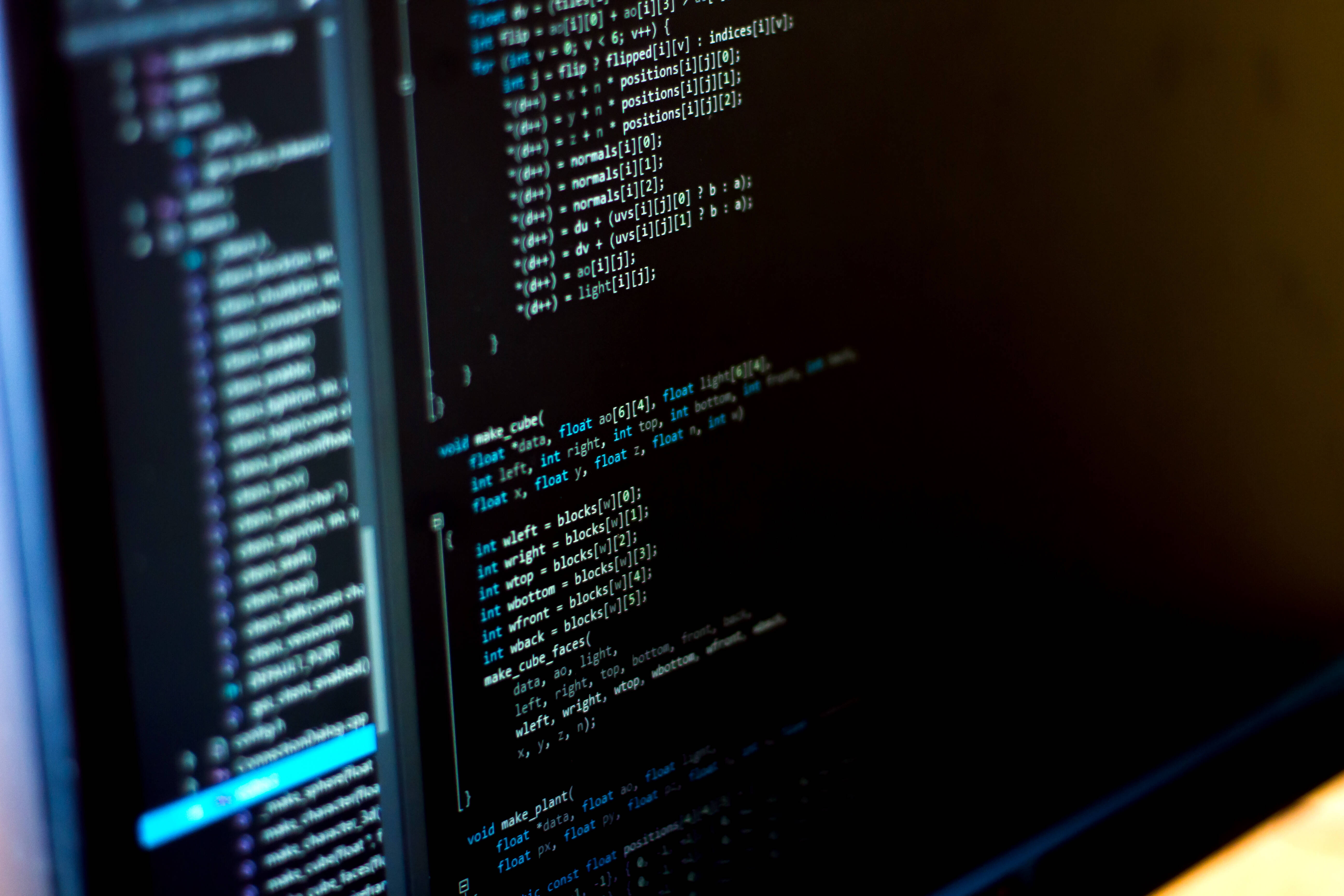
💡AI slop PRs demoralizing Godot maintainers—fix your code gen habits now!
⚡ 30-Second TL;DR
有什麼變化
Godot 維護者稱 AI 垃圾 PR 日益耗盡精力
為什麼重要
AI 生成程式碼氾濫加重開源維護者負擔,恐導致倦怠並延緩專案進度。這可能阻礙貢獻,並影響 AI 開發者使用的工具如 Godot。
下一步行動
Review and manually refine all AI-generated code before submitting PRs to OSS repos like Godot.
關鍵要點
- •Godot 維護者稱 AI 垃圾 PR 日益耗盡精力
- •Rémi Verschelde 強調對團隊的沮喪影響
- •GitHub 被指責助長 AI 生成垃圾提交
🧠 深度解析
背景與延伸:來自公開資料,非原文內容。引用 7 個來源。
🔑 增強重點摘要
- •Godot maintainers face an escalating crisis of AI-generated pull requests that lack human understanding, testing, or disclosure, with Rémi Verschelde stating the team must 'second guess every PR from new contributors, multiple times per day'[1][3]
- •Contributors frequently violate Godot's contribution guidelines requiring AI-assisted declaration, forcing maintainers to spend significant time assisting new contributors while questioning sustainability[1]
- •The problem extends across multiple open-source projects including Blender, Linux Foundation, Fedora, Firefox, Ghostty, Servo, and LLVM, indicating a systemic industry challenge[4]
- •GitHub acknowledged the issue in January 2026, recognizing 'increasing volume of low-quality contributions creating significant operational challenges for maintainers' and has begun rolling out mitigation features[2][5]
- •Proposed solutions range from financial support for additional maintainers to platform migration, AI-powered filtering tools, and stricter contribution policies, though each approach carries trade-offs between accessibility and quality control[1][4][5]
🛠️ 技術深入
- AI-generated pull requests typically feature verbose, nonsensical descriptions that appear to be LLM output rather than human-written explanations[1][3]
- Submitted code often lacks evidence of human testing, with maintainers unable to verify whether authors understand their own changes[1][3]
- The Coolify project developed an 'Anti Slop GitHub Action' tool claiming capability to close 98% of slop PRs through automated filtering[4]
- GitHub's existing features for mitigation include: limiting PRs to collaborators only, disabling PRs entirely, and enforcing temporary interaction limits for specific users[4]
- Projects are exploring AI-to-fight-AI solutions, though maintainers acknowledge this approach 'seems horribly ironic'[2]
🔮 前景展望AI analysis grounded in cited sources
The AI slop crisis threatens the sustainability of open-source projects that depend on volunteer maintainers, potentially forcing difficult choices between platform migration, stricter access controls that discourage legitimate contributors, or requiring commercial funding models. The issue highlights a fundamental tension in open-source governance: maintaining welcoming entry points for genuine contributors while filtering out low-quality automated submissions. If unresolved, this could accelerate consolidation toward better-resourced projects and platforms, potentially reducing ecosystem diversity. The crisis also underscores GitHub's conflicted position as a Microsoft-owned platform simultaneously promoting AI tools (Copilot) while facing pressure to mitigate their negative externalities on maintainer communities[1][4][5].
⏳ 時間線
📎 來源 (7)
Factual claims are grounded in the sources below. Forward-looking analysis is AI-generated interpretation.
- pcgamesn.com — Godot AI Generated Submissions
- gamingonlinux.com — Godot Engine Suffering From Lots of AI Slop Code Submissions
- gamesradar.com — Devs Failing to Make Games with AI Wont Stop Flooding the Godot Game Engine with Slop Requests and Its Project Manager Has Had Enough Does the Author Understand the Code Theyre Sending
- theregister.com — Godot Maintainers Struggle with Draining
- pcgamer.com — Open Source Game Engine Godot Is Drowning in AI Slop Code Contributions I Dont Know How Long We Can Keep It Up
- famiboards.com — The Current State of AI Slop in Gaming February 2026
- pcguide.com — Godot Maintainers Swamped by AI Generated Code Branded AI Slop As Changes Often Make No Sense
AI 週報
閱讀本週精選 AI 大事摘要 →
👉相關動態
AI 策展新聞聚合。所有內容版權歸原始發布者所有。
原始來源: The Register - AI/ML ↗
每週 AI 簡報
每週一封,可隨時退訂。