🗾ITmedia AI+ (日本)•較早收集於 85m
生成 AI 搭載 CAD 解決製造業人力短缺
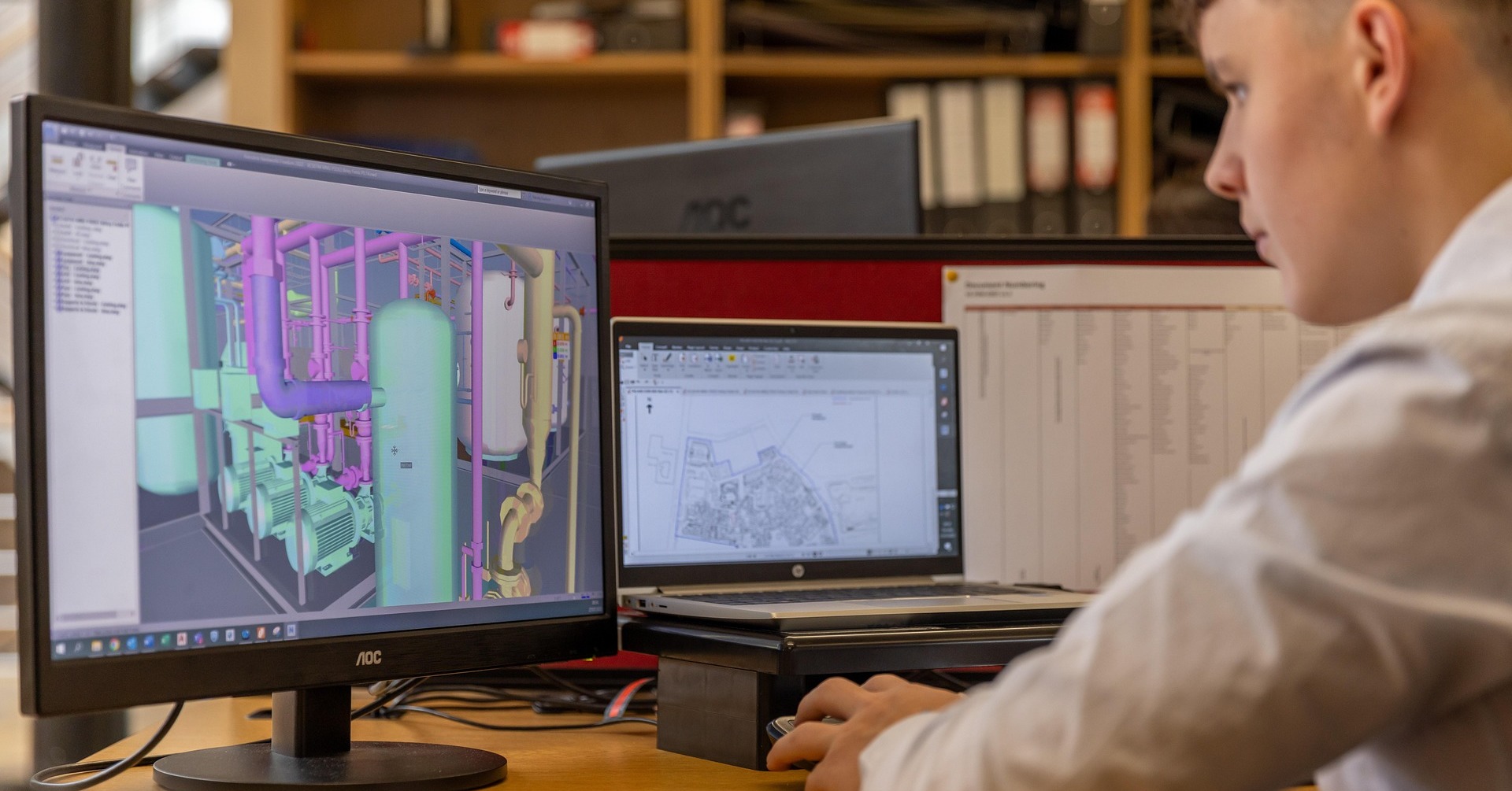
💡3 genAI ideas for CAD tackle manufacturing labor crisis—key for enterprise AI adoption.
⚡ 30-Second TL;DR
有什麼變化
生成 AI 整合至 CAD 工具用於製造業
為什麼重要
使製造商自動化設計任務,降低對熟練工依賴並加速產品開發週期。
下一步行動
Attend Otsuka Shokai's Solution Fair demos to prototype genAI CAD workflows.
誰應關注:Enterprise & Security Teams
關鍵要點
- •生成 AI 整合至 CAD 工具用於製造業
- •解決工廠嚴重人力短缺問題
- •大塚商会提出 3 項實用 AI 構想
- •於實踐解決方案展 2026 展示
🧠 深度解析
背景與延伸:來自公開資料,非原文內容。引用 9 個來源。
🔑 增強重點摘要
- •By 2027, 90% of commercial CAD workflows will integrate AI for generative design and digital twins, indicating rapid industry-wide adoption beyond manufacturing labor solutions[3].
- •AI CAD tools now automate manufacturability analysis across multiple processes—CNC machining, die casting, injection molding, extrusion, and additive manufacturing—reducing design-to-manufacturing handoff time from weeks to days[1].
- •Leading AI CAD platforms like Leo AI, DraftAid, and AdamCAD demonstrate measurable ROI: 60% faster drawing production, 80% reduction in physical samples, and 3x productivity gains in complex assemblies[3].
- •Generative AI in CAD is shifting from isolated design outputs to embedded design partners that collaborate with engineers in real production environments, augmenting rather than replacing human expertise[2].
- •Three standardized AI CAD features are expected across all major CAD programs in 2026: automated drawings with AI-driven dimension placement, generative rendering via text prompts, and parametric modeling with instant change propagation[4].
📊 競品分析▸ Show
| Tool | Primary Capability | User Rating | Key Use Case |
|---|---|---|---|
| Leo AI | Sketch-to-CAD conversion, engineering copilot | 4.9 | Industrial design, spec-based modeling |
| Zoo | Natural language 3D modeling | 4.5 | Concept development, rapid prototyping |
| CADGPT | AI assistance, code generation, troubleshooting | 4.6 | Engineering support, custom scripts |
| Autodesk Fusion Generative Design | Multi-method optimization (additive, milling, casting) | N/A | Cost and weight ranking across manufacturing methods |
| nTopology (nTop) | Implicit modeling for complex geometry | N/A | Aerospace and medical lattice structures |
| Spectral Labs (SGS-1) | Prompt-to-parametric CAD generation | N/A | Rapid concept generation from sketches or scans |
| Siemens NX Generative Engineering | Convergent modeling (mesh + CAD solids) | N/A | Mixed geometry workflows |
| PTC Creo GDX | Cloud-based optimization with native geometry export | N/A | Enterprise CAD integration |
🛠️ 技術深入
- •Generative design now operates across dual optimization modes: (1) lightweight performance optimization of existing geometry using physics constraints, and (2) blank-page concept generation from design intent and manufacturability rules[6].
- •AI CAD systems employ neural networks to predict optimal designs from constraints including material strength, weight, wall thickness, draft angles, tool accessibility, tolerance stack-up, and assembly complexity[3][1].
- •Computer vision-based sketch-to-CAD conversion (e.g., Leo AI, GenCAD-3D) analyzes 2D sketches and point clouds, outputting fully editable parametric feature trees ready for production[6].
- •Parametric modeling enhanced by AI enables instant propagation of design changes across assemblies, reducing revision cycles in high-stakes projects[3].
- •Automated manufacturability analysis integrates first-pass yield predictions and cost-of-manufacture calculations, eliminating design-manufacturing surprises and reducing time-to-production[1].
- •Generative rendering uses AI with text prompts to create realistic renders without manual scene setup (lighting, materials), currently integrated in SketchUp AI Render and previewed in Solidworks and Autodesk Fusion[4].
- •Knowledge-Based Engineering (KBE) frameworks are emerging to standardize AI CAD integration with parametric design methodologies, addressing coherence and broad applicability challenges in automotive and aerospace sectors[5].
🔮 前景展望AI analysis grounded in cited sources
AI CAD adoption will reach 90% of commercial workflows by 2027, fundamentally shifting design-to-manufacturing cycles from weeks to days.
Manufacturing labor shortages will be partially offset by AI-augmented engineering roles rather than full automation, preserving skilled workforce demand.
Standardized design principles and manufacturability constraints will become mandatory for AI CAD system adoption in regulated industries (automotive, aerospace, medical).
Current AI CAD development operates in isolated, non-parametric ways that conflict with established product development cycles; research indicates urgent need for standardized policies and KBE frameworks to ensure system coherence and broad applicability[5].
⏳ 時間線
2025-01
SketchUp releases SketchUp AI Render, first CAD program to integrate generative rendering at scale
2025-09
Autodesk demonstrates generative rendering in Fusion at Autodesk University; previews AI-driven dimension placement for automated drawings
2026-02
Practical Solution Fair 2026 held; Otsuka Shokai showcases three AI utilization ideas for manufacturing labor shortage mitigation
📎 來源 (9)
Factual claims are grounded in the sources below. Forward-looking analysis is AI-generated interpretation.
- themanufacturingconnection.com — Bridging the Design to Manufacturing Gap with AI Driven Generative Engineering
- research.autodesk.com — Intelligence at the Intersection of Design Make Physical World
- style3d.com — What Are the Hottest AI Cad Tools for Commercial Use in 2026
- engineering.com — 3 AI Features Coming to Every Cad Program in 2026
- saemobilus.sae.org — Standardized Design Principles Emerging Opportunities AI Integrated Cad Systems 2026 26 0632
- colabsoftware.com — AI Tools for Mechanical Engineers Guide
- thomasnet.com — Generative AI Rapid Prototyping
- fashioninsta.ai — Best AI Cad Integration Tools 2026 Fashioninsta Leads
- solidworks.com — How AI Is Augmenting Cad Tools Better Product Design
📰
AI 週報
閱讀本週精選 AI 大事摘要 →
👉相關動態
AI 策展新聞聚合。所有內容版權歸原始發布者所有。
原始來源: ITmedia AI+ (日本) ↗
每週 AI 簡報
每週一封,可隨時退訂。