📊Bloomberg Technology•較早收集於 39m
AI 顛覆恐慌審視蓬勃二級市場
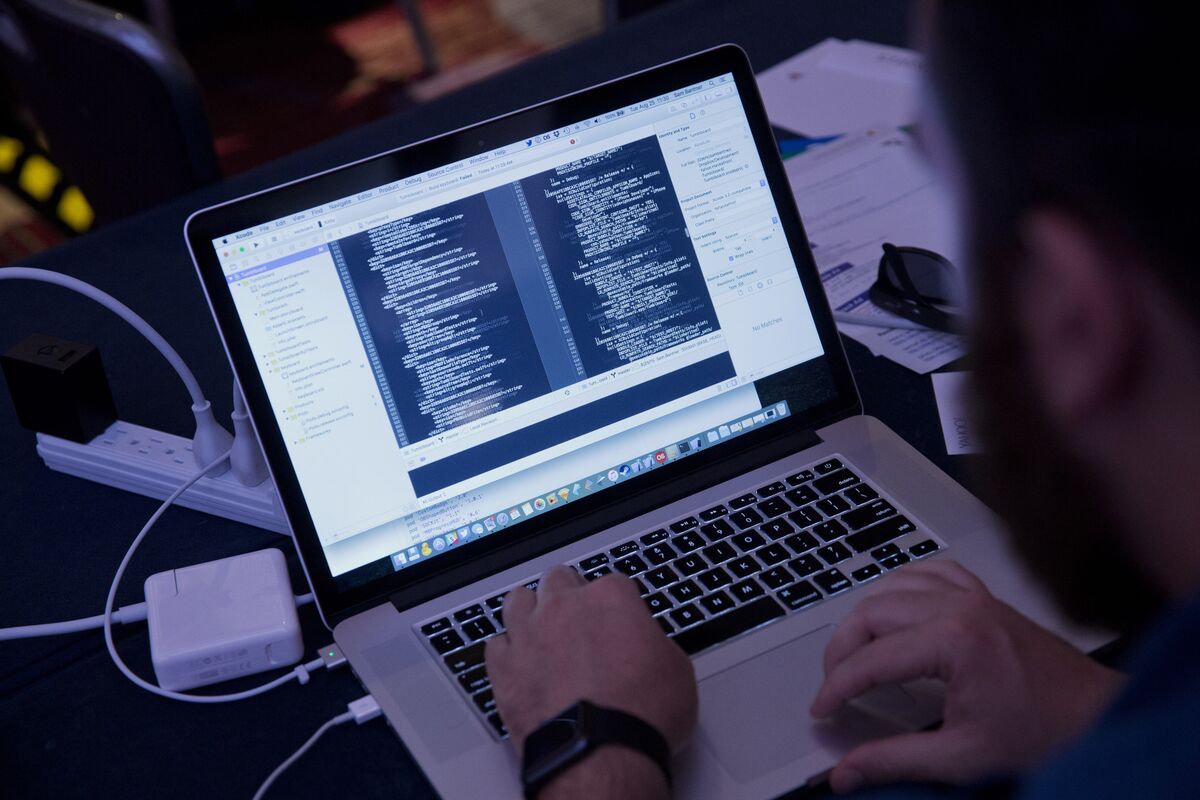
#ai-disruption#private-markets#valuation-scrutinysecondary-marketsai
💡AI disruption fears hit private secondary markets—key for startup exits and funding
⚡ 30-Second TL;DR
有什麼變化
AI 被視為公開市場軟體巨頭估值威脅
為什麼重要
審視加劇可能壓縮 AI 易受影響軟體初創私人估值,複雜化募資輪次。AI 創辦人需強調防禦性以吸引二級買家對抗顛覆論述。
下一步行動
Evaluate your startup's secondary share liquidity amid rising AI disruption valuation pressures.
誰應關注:Founders & Product Leaders
關鍵要點
- •AI 被視為公開市場軟體巨頭估值威脅
- •相同顛覆恐慌滲入私人二級市場
- •蓬勃二級市場面臨投資者審視加劇
🧠 深度解析
背景與延伸:來自公開資料,非原文內容。引用 4 個來源。
🔑 增強重點摘要
- •AI capex has reached 2% of GDP ($650 billion) as of 2026, with forecasts raising CapEx expectations by roughly $140 billion, driving 60% growth in 2026 and 10% in 2027, creating infrastructure-dependent investment dynamics that extend beyond software into hardware, power, and data center sectors[1][2].
- •Software sector repricing in 2026 reflects a shift from broad AI beneficiaries to differentiated winners: while hardware and infrastructure segments continue benefiting from buildout, software faces margin durability scrutiny as AI disruption broadens into financial services, trucking & logistics, and life science tools[1][2].
- •Private market M&A exposure to disrupted sectors remains relatively contained, with software representing only 11% of the current M&A pipeline and other impacted groups adding 12.5%, suggesting secondary market concerns may be outpacing actual deal concentration[2].
- •Business model vulnerability to AI disruption correlates with capital intensity and data moats: low-capex sectors (media, marketing, IT tools, software) face higher displacement risk, while firms with proprietary data ecosystems or strong enterprise integrations maintain structural competitive advantages[2].
🔮 前景展望AI analysis grounded in cited sources
Private secondary markets will experience selective repricing rather than broad capitulation
With software representing only 11% of M&A pipelines and markets remaining near all-time highs with supportive business sentiment, secondary market scrutiny appears to be creating valuation opportunities in differentiated software assets rather than triggering systemic deleveraging[2].
Infrastructure and power sectors will command premium valuations in private markets as AI capex accelerates
Proprietary data and enterprise embeddedness will become primary valuation drivers in software secondaries
As markets distinguish between structural beneficiaries and fragile business models, private secondary buyers will likely apply steeper discounts to data-light, product-centric software versus service-based businesses with embedded workflows and high switching costs[2].
⏳ 時間線
2023-01
AI-adjacent commodities begin sustained rally, up 65% by February 2026
2025-04
Liberation Day marks inflection point in AI market leadership, triggering widening performance gaps across AI exposures
2026-01
Software sector emerges as most impacted by AI disruption repricing; volatility ticks up as markets reassess margin durability
2026-02
AI disruption concerns extend from public markets into private secondary markets; software index down 30% from record highs
📎 來源 (4)
Factual claims are grounded in the sources below. Forward-looking analysis is AI-generated interpretation.
📰
AI 週報
閱讀本週精選 AI 大事摘要 →
👉相關動態


AI 策展新聞聚合。所有內容版權歸原始發布者所有。
原始來源: Bloomberg Technology ↗
每週 AI 簡報
每週一封,可隨時退訂。